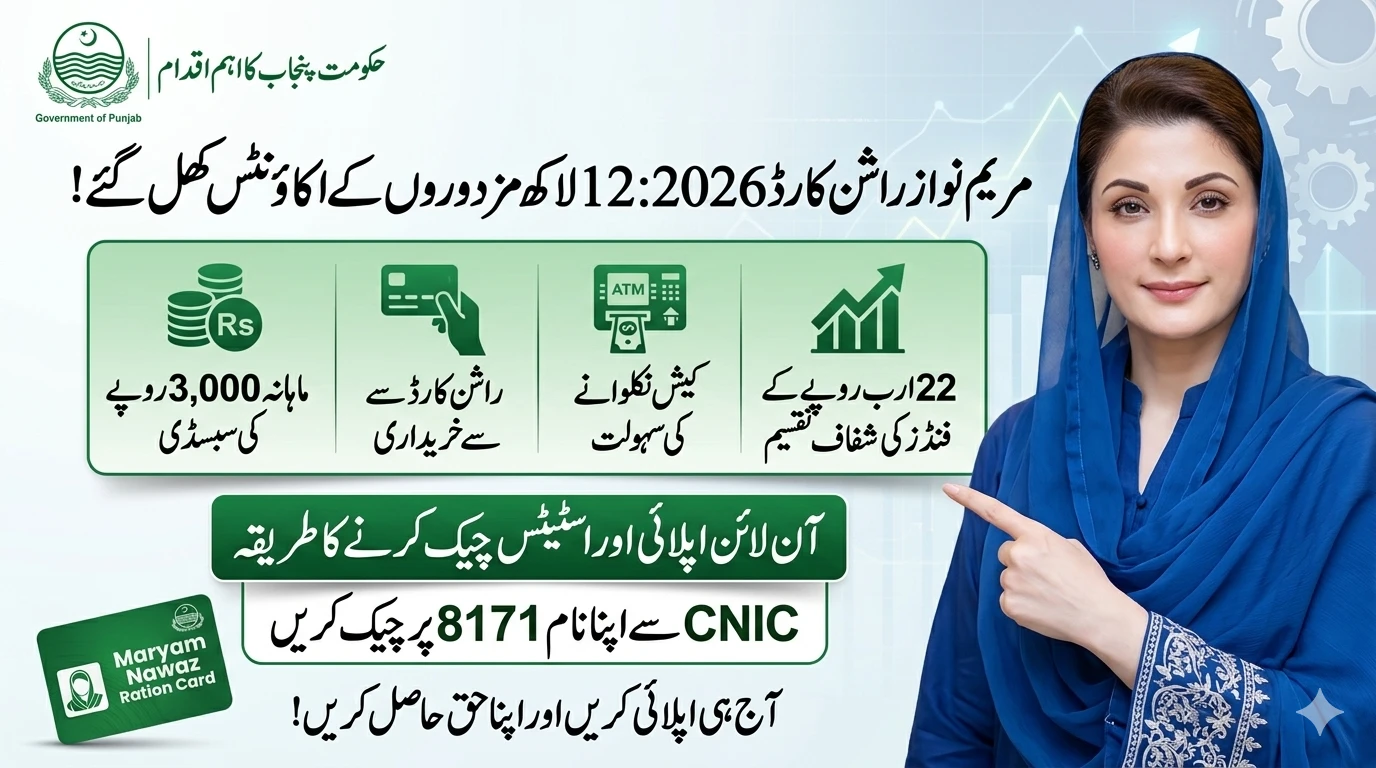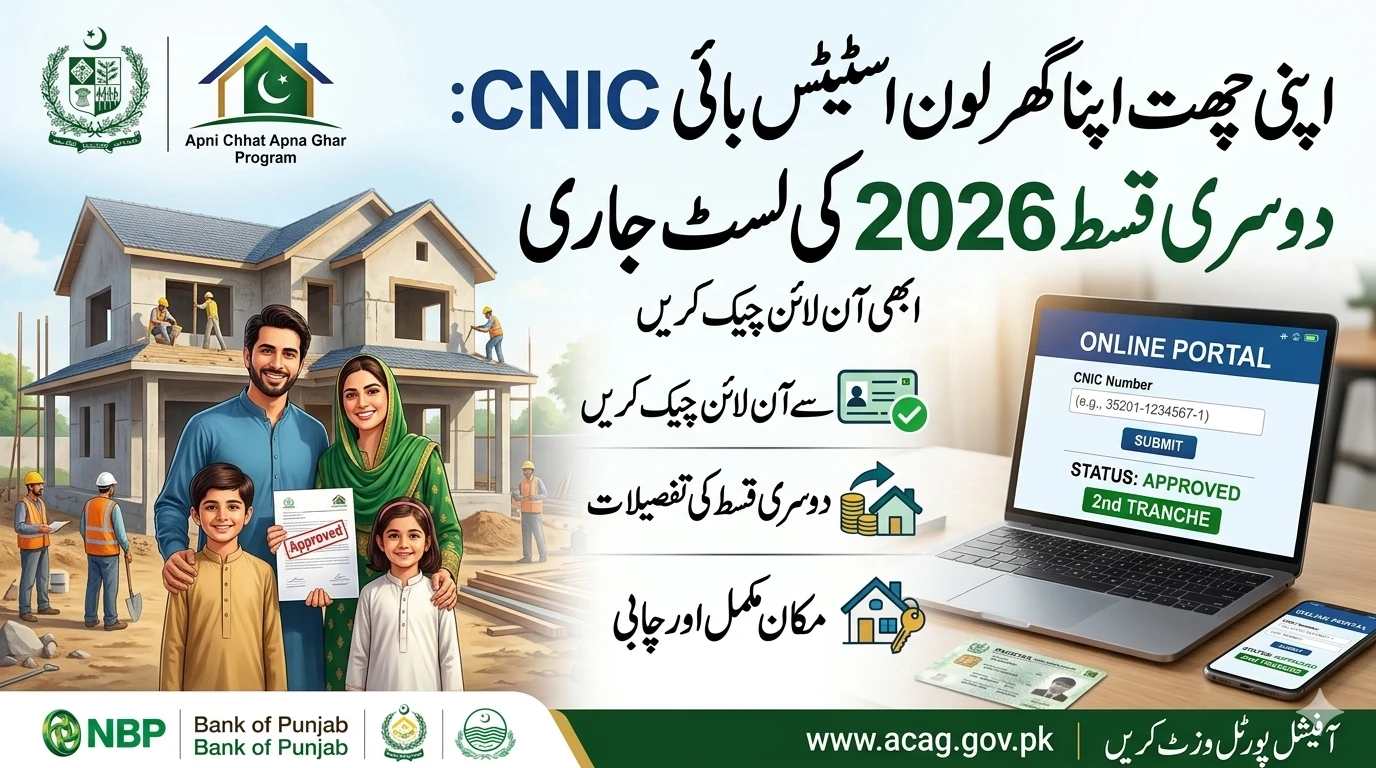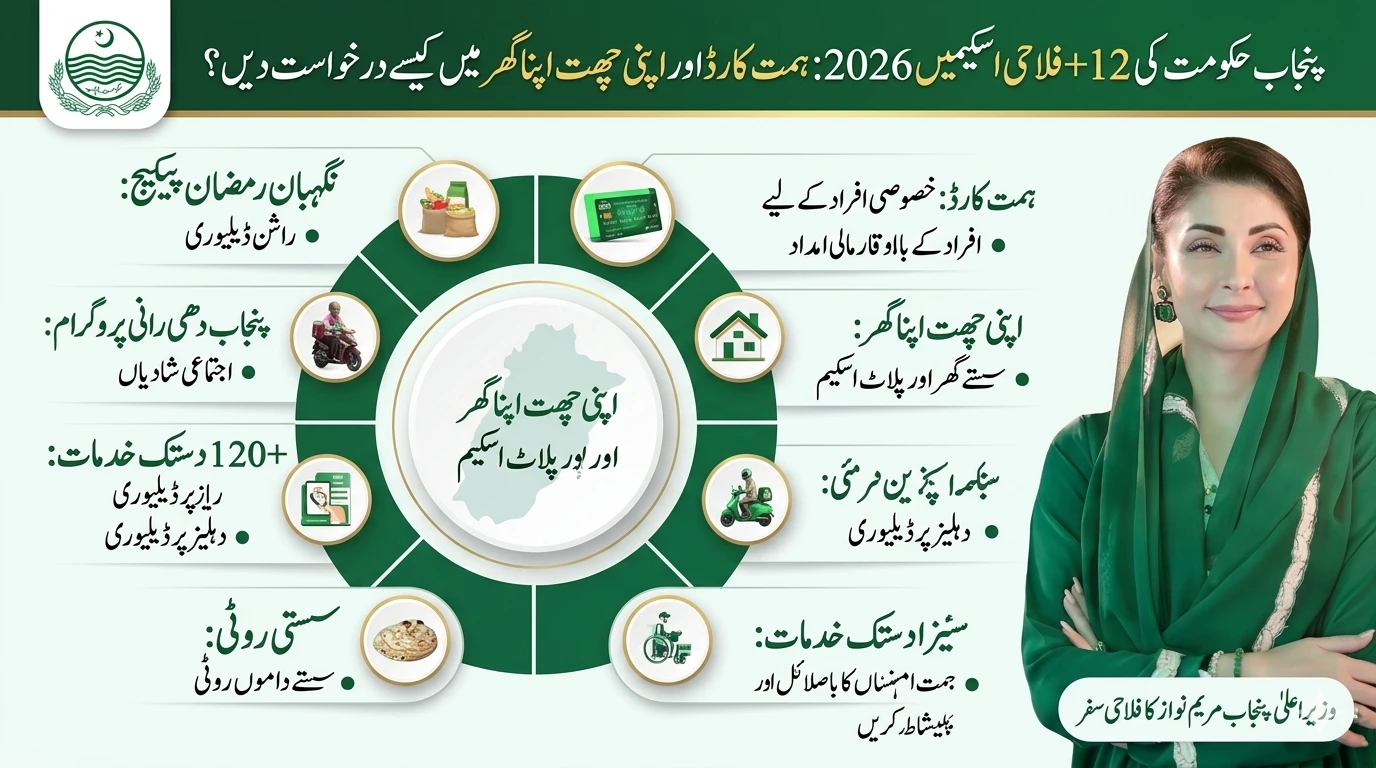
Living in Punjab today means having access to a wider net of social support than ever before. The provincial government has launched a massive wave of welfare programs designed to help everyone from daily wagers to home-seekers. Whether you are looking for a roof over your head or financial support for a loved one with a disability, there is likely a program waiting for you.
In 2026, these initiatives are moving toward a fully digital and “doorstep” model. This means you no longer have to wait in long lines at government offices. Instead, most services are just a few clicks away on your smartphone.
This guide breaks down the 12 most important schemes currently active. We will look at what they offer, who is eligible, and how you can join the thousands of families already benefiting from these services.
1. The Foundation: Punjab Socio-Economic Registry (PSER)
Before you can benefit from most of these programs, you need to be in the “system.” The Punjab Socio-Economic Registry (PSER) is the master database the government uses. Think of it as your golden ticket to all welfare benefits.
By registering your household data in the PSER, the government can automatically identify if you qualify for programs like the Himmat Card or Sasti Roti. If you haven’t updated your data yet, this should be your first step. It ensures that the right help reaches the right people without any middleman.
2. Himmat Card: Empowering People with Disabilities
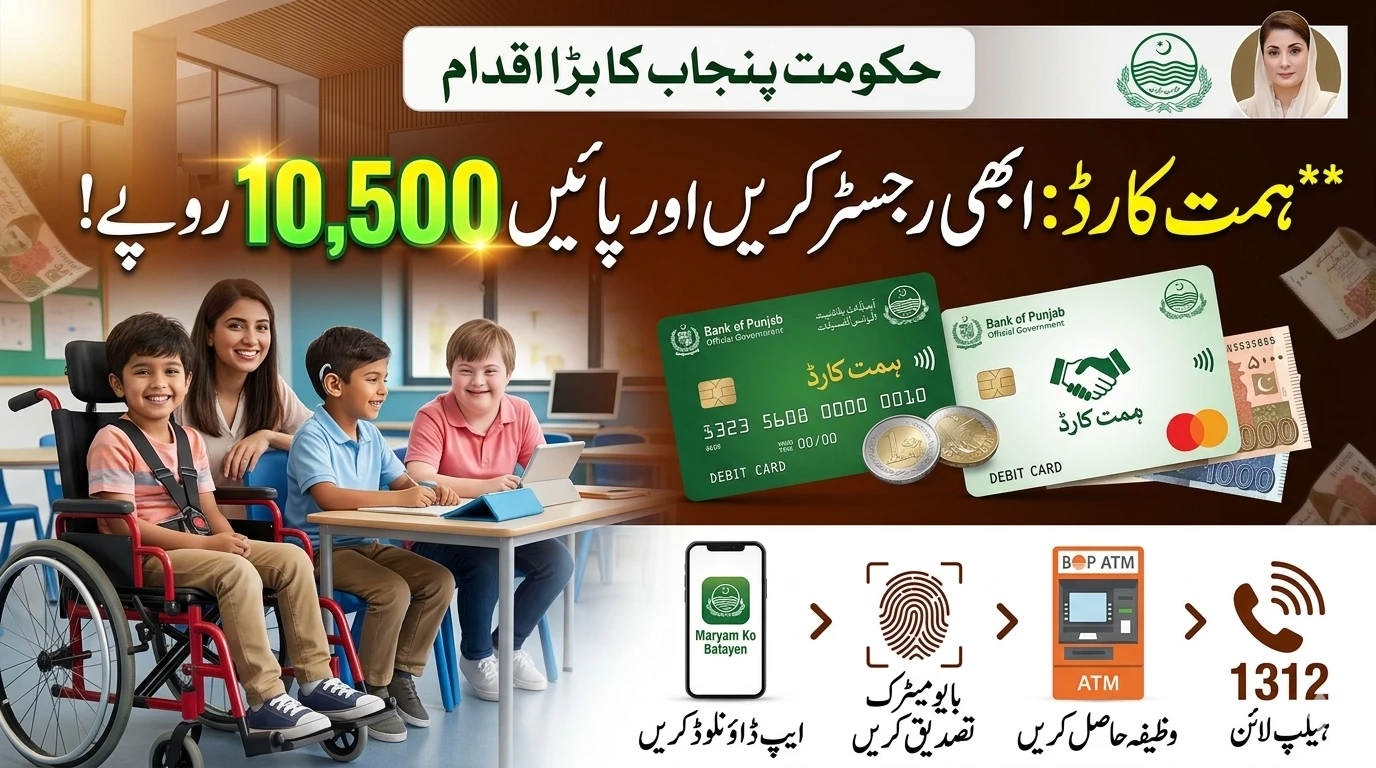
The Himmat Card is perhaps the most compassionate initiative on this list. It is specifically designed for “Special People”—those living with permanent disabilities that prevent them from working regular jobs.
What do you get?
The card provides a quarterly stipend directly to the holder. This money helps cover medicine, basic needs, or small business costs. It isn’t just charity; it is about providing dignity and a sense of independence to those who often feel overlooked.
How to Apply
You need a disability certificate issued by the Social Welfare Department and a valid CNIC. Once your data is verified through the 8171 portal or the PSER, your card is issued through the Bank of Punjab.
3. Apni Chhat Apna Ghar: Making Homeownership a Reality
For many families, owning a home feels like an impossible dream due to rising land prices. The “Apni Chhat Apna Ghar” scheme is changing that by offering low-cost homes and interest-free loans for plot owners.
Two Ways to Benefit
- Urban Apartments: The government is building high-quality, low-cost apartments in major cities like Lahore and Faisalabad.
- Rural Loans: If you already own a small piece of land (up to 5 or 10 marlas), you can get a loan of up to 1.5 million PKR to build your house, with very easy monthly installments.
4. Punjab Dhee Rani Program: Support for Collective Weddings
Inflation has made wedding ceremonies a huge financial burden for poor families. The Dhee Rani program provides logistical and financial support for collective weddings.
Eligible couples receive a “Salami” (cash gift) and basic household items to help them start their new lives. This program aims to reduce the social pressure of expensive dowries and large gatherings, focusing instead on the legal and social protection of the bride.
5. 120+ Dastak Services: The Government at Your Door
The “Dastak” initiative is a revolutionary shift in how the government works. Instead of you going to the office, the office comes to you. Through a simple mobile app or a dedicated helpline, you can request over 120 different services.
Whether you need a new domicile, a birth certificate, or a vehicle registration, a “Dastak Representative” will visit your home, collect your documents, and deliver the final certificate to your doorstep. This is especially helpful for senior citizens and women who find it hard to travel.
6. Sasti Roti & Nagehban Ramzan Package
Food security is a top priority for 2026. The Sasti Roti program ensures that subsidized bread is available at registered Tandoors across the province. The government monitors these points to ensure the weight and price remain fair.
During the holy month, the Nagehban Ramzan Package takes it a step further. Instead of making people stand in lines for flour, the government delivers essential food hampers—containing oil, flour, sugar, and pulses—directly to the homes of the poorest families identified via the PSER database.
7. Modernizing the Marketplace: Model Rehri Bazar
Street vendors are the backbone of the local economy, but they often face harassment or unhygienic working conditions. The Model Rehri Bazar initiative provides organized, clean, and solar-powered vending spots for small traders.
These bazars are located in designated areas that don’t block traffic. Vendors get a sense of security, and customers get to buy fresh produce in a clean environment.
8. Free Delivery from Model Bazars
In 2026, the government has integrated technology into traditional markets. If you live near a “Model Bazar,” you no longer have to carry heavy bags home. You can now order your groceries through a dedicated app, and the government provides free home delivery. This service bridges the gap between traditional cheap prices and modern convenience.
9. Rider Safety Initiative: Protecting Our Workforce
The “gig economy” is booming in Punjab, with thousands of young men working as delivery riders. The Rider Safety Initiative focuses on their wellbeing. This includes providing subsidized safety gear (helmets/gloves) and ensuring that delivery companies follow strict protocols for working hours and insurance.
10. Video Call Facility for Prisoners
Social welfare extends even to those behind bars. Recognizing that family connection is vital for rehabilitation, the Punjab government has introduced a video call facility in jails. Inmates can now have scheduled, monitored video calls with their parents, spouses, and children. This helps maintain mental health and eases the transition back into society after release.
11. Assistive Devices for Special Persons
Beyond financial aid via the Himmat Card, the government also distributes high-quality assistive devices. This includes:
- Electric and manual wheelchairs.
- Advanced hearing aids.
- Braille equipment for the visually impaired.
- Prosthetic limbs.
These are distributed through camps and can be applied for via the Social Welfare Department’s online portal.
12. Digital Safety & Emergency Response
While not a direct “cash” scheme, the integration of the CM Punjab Maryam Nawaz safety apps is a major welfare move. These apps allow women and vulnerable citizens to signal for help with a single tap, sending their GPS location to the nearest police station or rescue team.
How to Ensure Your Application is Accepted
Many people apply for these schemes but get rejected. Usually, it is because of small mistakes. Follow these tips to ensure you get your benefits:
- Keep Your CNIC Updated: If your ID card is expired, your application will be automatically rejected by the system.
- Register on PSER: As mentioned, the Punjab Socio-Economic Registry is the main source of truth. Visit a local registration center or use the online portal to update your family’s income details.
- Use Your Own SIM Card: Always use a mobile number registered in your own name. The government sends OTPs (One-Time Passwords) and payment alerts to the number linked to your CNIC.
- Avoid Agents: All Punjab government schemes are either free or have a very small, official fee. Do not pay “agents” who claim they can get you a Himmat Card or a House—they are scammers.
Conclusion: A New Era of Support
The Punjab Government’s social welfare roadmap for 2026 is about more than just giving money. It is about building a system where the government is active, transparent, and reachable. From the Himmat Card to the Apni Chhat Apna Ghar program, the focus is on long-term empowerment.
If you haven’t explored these options yet, now is the time. Check your eligibility today, get registered in the PSER, and take advantage of the support designed to help your family thrive.
Frequently Asked Questions (FAQs)
1. How can I check my Himmat Card status?
You can check your eligibility by visiting the official 8171 web portal or by sending your CNIC number to the designated SMS code. Ensure you are also registered in the PSER (Punjab Socio-Economic Registry).
2. Who is eligible for the Apni Chhat Apna Ghar scheme?
The scheme is for residents of Punjab who do not currently own a house. Priority is given to low-income families, widows, and those living in rented properties. You must have a valid Punjab domicile.
3. Can I apply for the Dhee Rani program online?
Yes, the application process for collective weddings and dowry support is typically opened in phases. You can apply through the Social Welfare Department’s official website when the portal is active.
4. Is there any fee for Dastak Services?
There is a very small service delivery fee paid to the representative who comes to your home, but the government keeps this price minimal to ensure it is affordable for everyone.
5. What should I do if my application is rejected?
First, check if your CNIC data or income status is incorrectly listed in the PSER database. Most rejections happen because the system thinks your income is higher than the eligibility limit. You can visit a PSER desk for an appeal or correction.