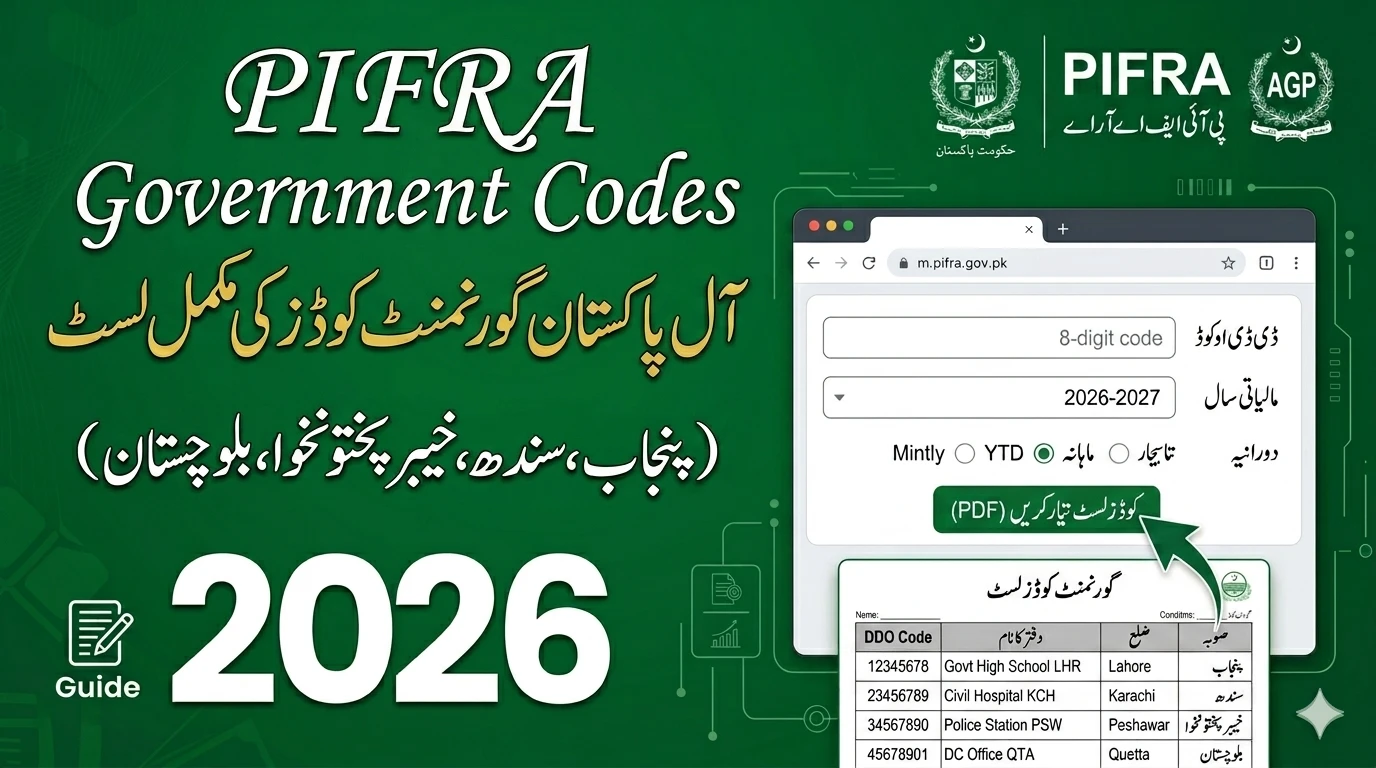
If you have ever looked at a government salary slip or a budget document in Pakistan, you have probably seen a lot of complicated numbers. These aren’t just random digits. In the world of Pakistani finance, these are known as PIFRA codes.
Whether you are a primary school teacher in a small village in Punjab or a high-ranking officer in Quetta, these codes define your professional financial identity. Understanding them is the key to tracking your salary, your pension, and your department’s budget.
In this guide, we will break down everything you need to know about PIFRA government codes across all four provinces. We will keep it simple, clear, and easy to follow.
What Exactly is PIFRA?
Before we dive into the codes, let’s talk about the system itself. PIFRA stands for the Project for Improvement of Financial Reporting and Auditing. It was a massive project launched by the Government of Pakistan to modernize how money is tracked.
In the old days, everything was done on paper registers. It was slow and full of errors. PIFRA changed that by introducing a digital system (using a software called SAP). Now, every transaction—from a pencil bought for an office to a multi-billion rupee dam project—is recorded using specific codes.
Why Do These Codes Matter to You?
If you are a government employee, these codes are vital for:
- Ensuring your salary is credited to the right bank account.
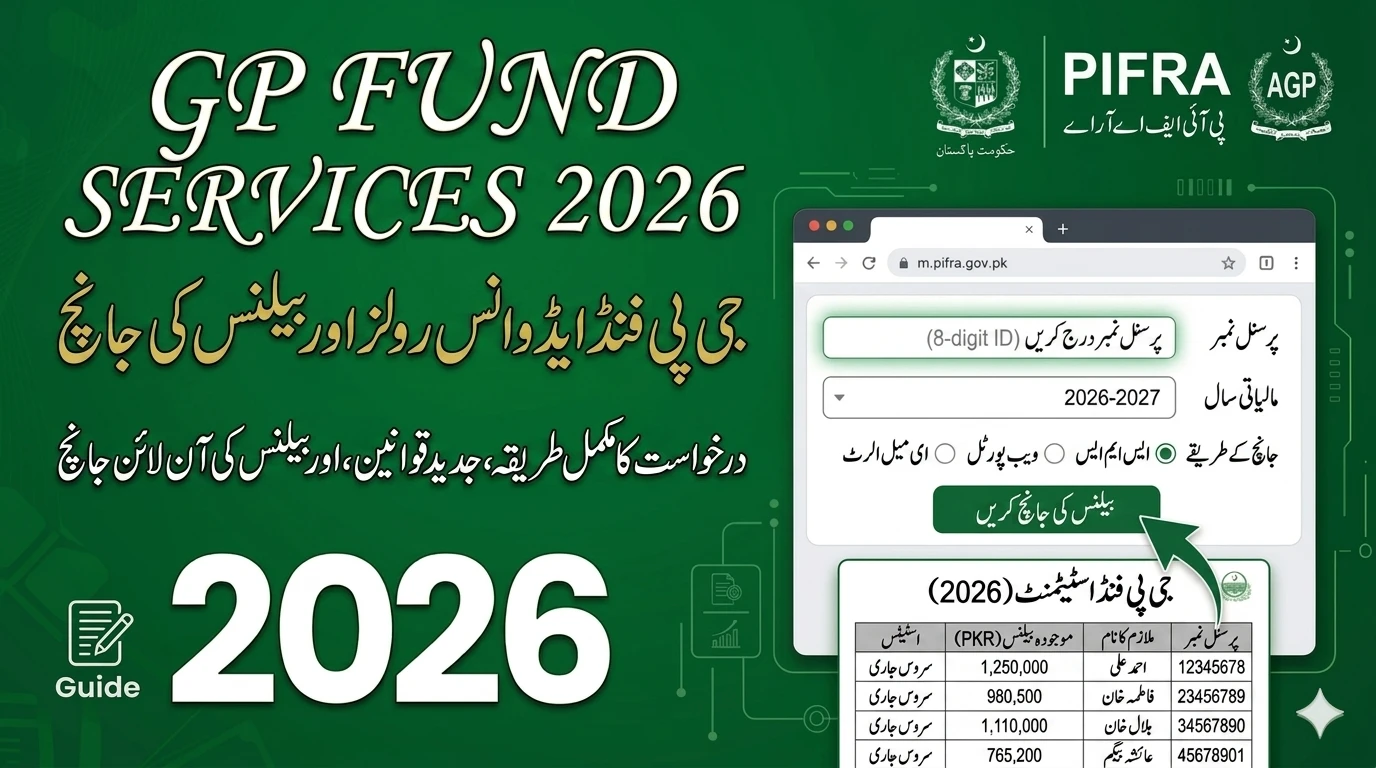
- Applying for GP Fund advances.
- Correcting errors in your designation or grade.
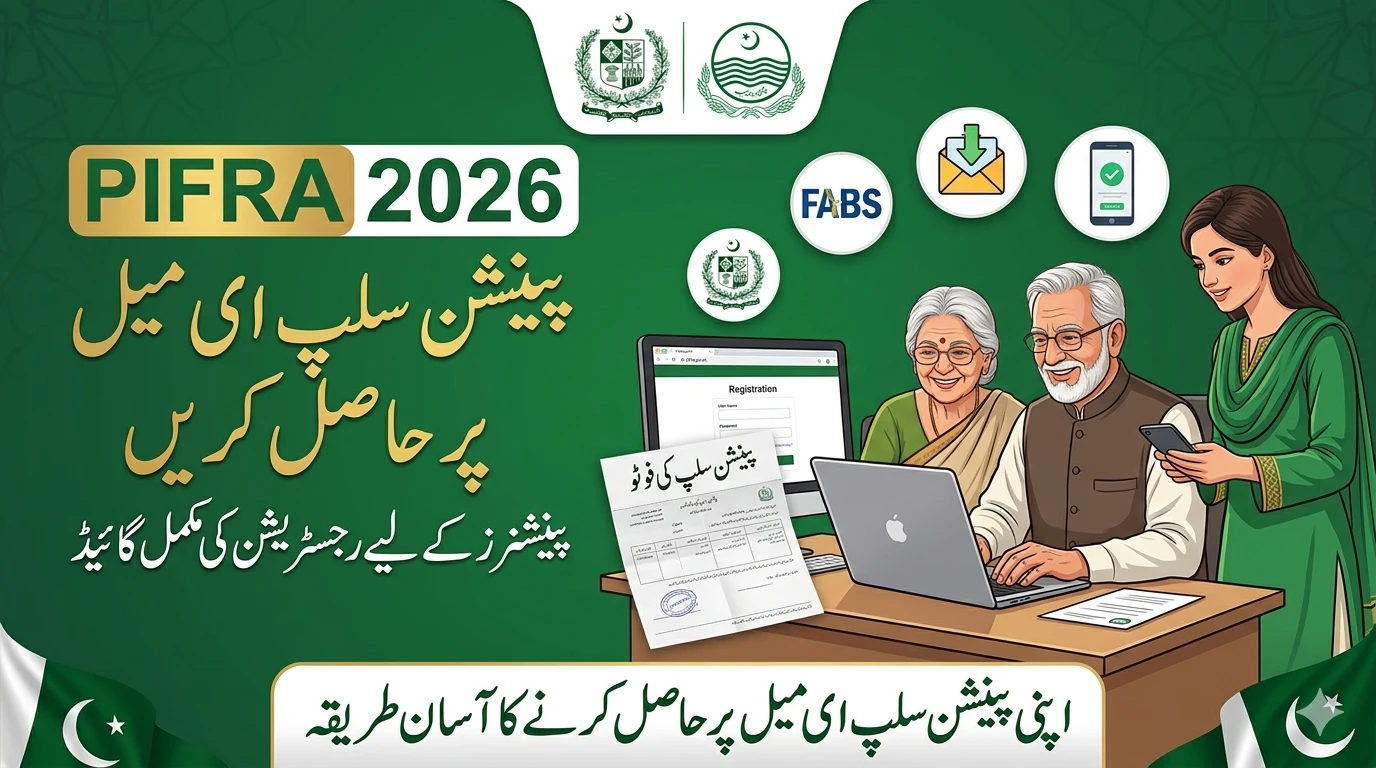
- Tracking your retirement benefits and pension.
The Hierarchy of PIFRA Government Codes
The system uses a “Chart of Accounts” (CoA). Think of it like a filing cabinet. The cabinet is the whole government, the drawers are the provinces, the folders are the departments, and the papers inside are the individual employees or expenses.

1. The Fund Code (Where the money comes from)
The fund code tells the system which “wallet” the money is being pulled from. For example, there is a specific code for the “Federal Consolidated Fund” and different ones for provincial funds.
2. The DDO Code (The most important one)
DDO stands for Drawing and Disbursing Officer. This is perhaps the most famous code among employees. Every office has a DDO. If you work at a specific Government High School, that school (or the cluster office) has a unique DDO code.
3. The Object Code (What the money is for)
This code identifies the nature of the expense.
- A01: Related to employee salaries.
- A03: Operating expenses (like electricity bills or stationery).
- A05: Grants and subsidies.
PIFRA Codes by Province: A Closer Look
While the overall system is the same across Pakistan, each province manages its own data. Let’s look at how this applies to Punjab, Sindh, KPK, and Balochistan.
Punjab PIFRA Codes
Punjab is the largest province by population, and its PIFRA database is massive. The Accountant General (AG) Punjab office in Lahore oversees these codes.
- Common Use: Teachers in Punjab often need their DDO codes to download their digital salary slips via the PIFRA monthly automated email service.
- Structure: Punjab codes usually start with specific prefixes that denote the district (e.g., LHR for Lahore, FSD for Faisalabad).
Sindh PIFRA Codes
Managed by the AG Sindh in Karachi, these codes are essential for the diverse workforce in Sindh.
- Key Feature: Sindh has been very active in digitizing its payroll. Most Sindh employees now use the PIFRA system to verify their “Personal Number” (a unique 8-digit ID).
- Reporting: If a code is missing in Sindh, the employee usually has to visit the District Accounts Office (DAO) to get it updated in the SAP system.
KPK (Khyber Pakhtunkhwa) PIFRA Codes
The AG KPK office manages the codes for the “Frontier” province.
- Focus: With many newly merged districts (formerly FATA), the KPK PIFRA code list has expanded significantly.
- Efficiency: KPK is known for using these codes to streamline “Direct Credit” salary payments, reducing the need for physical checks.
Balochistan PIFRA Codes
Balochistan’s vast geography makes digital tracking even more important. The AG Balochistan ensures that even the most remote districts like Washuk or Panjgur are connected to the central system.
- Usage: Codes here are vital for tracking “Hard Area Allowances” that are specific to certain locations in the province.
How to Read Your Salary Slip Using PIFRA Codes
If you have a PIFRA-generated salary slip, here is a quick guide to what you are looking at:
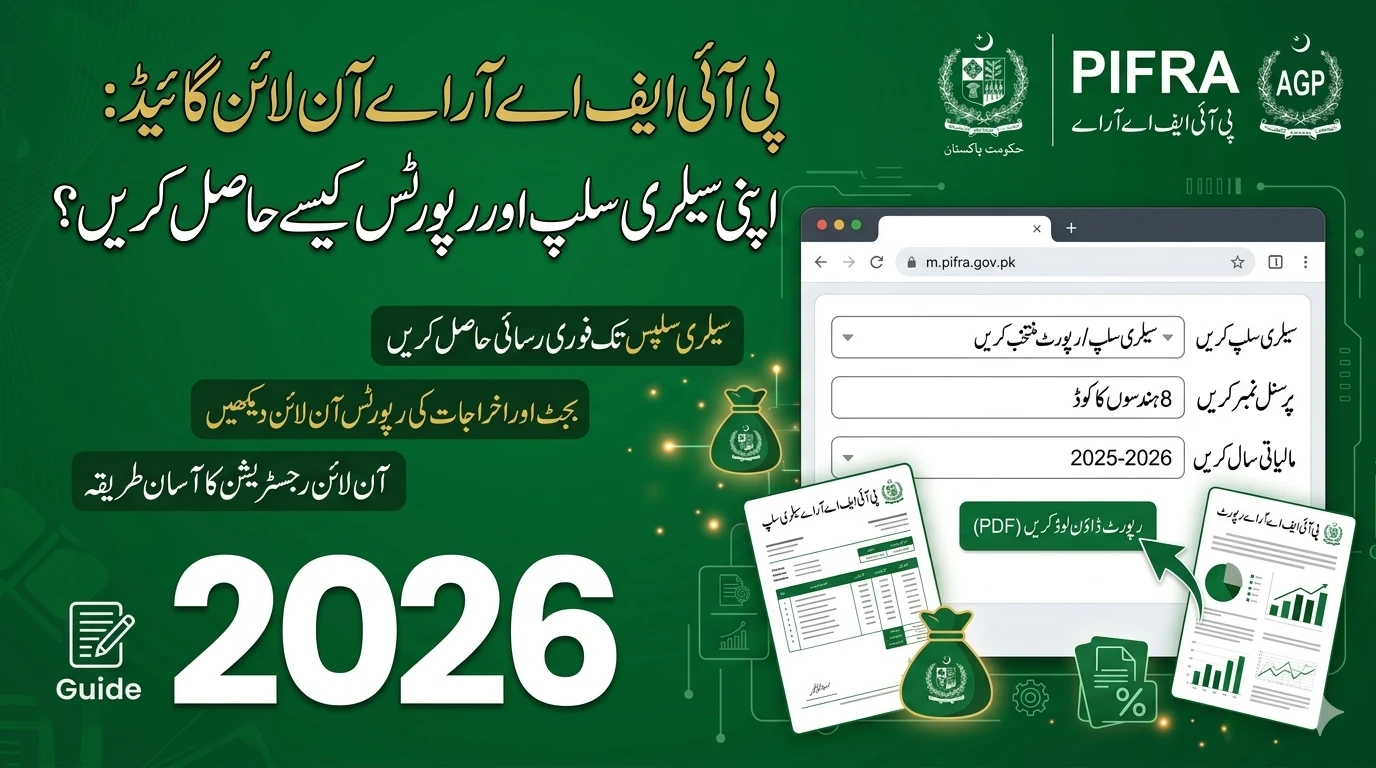
- Personal Number: This is your unique identity in the SAP system. It never changes, even if you are transferred.
- Cost Center: This is often linked to your DDO code. It identifies your specific office.
- Basic Pay Scale (BPS): This shows your current grade (e.g., BPS-17).
- Pay and Allowances: Each allowance has an object code (like A01101 for Basic Pay).
How to Find a Specific Government Code
If you are looking for a specific DDO or Department code, you usually have three options:
Method 1: The Official PIFRA/AG Website
Most provincial Accountant General websites have a “Search” or “Downloads” section where they list DDO codes by district.
Method 2: Your District Accounts Office (DAO)
The DAO is the local hub for all financial coding. If you are a clerk or an accountant, the DAO is your best friend. They have the most updated lists of new codes.
Method 3: Previous Salary Slips
For individual employees, the easiest way to find your codes is to look at a previous month’s salary slip. Your DDO code and Fund code are usually printed near the top.
Common Challenges with PIFRA Codes
Sometimes, the system isn’t perfect. Here are a few common issues government workers face:
- Code Mismatch: This happens when an employee is transferred, but their DDO code isn’t updated in the system. The result? Their salary might be sent to their old station.
- Inactive DDO Codes: If an office closes or merges, the code becomes inactive. Any bills submitted under an inactive code will be rejected by the system.
- Wrong Object Codes: If a clerk enters “Stationery” under a “Salary” code, the audit department will flag it immediately. Accuracy is everything.
The Future of Coding: Moving Toward Transparency
The Government of Pakistan is moving toward even more transparency. There are talks about integrating these PIFRA codes with the National Database and Registration Authority (NADRA). This would mean that your government ID (CNIC) and your payroll code would be perfectly synced, making it almost impossible for “ghost employees” to exist.
Summary Table: Quick Reference
| Province | Primary Oversight | Key Focus Area |
|---|---|---|
| Punjab | AG Punjab (Lahore) | High-volume school and police payrolls. |
| Sindh | AG Sindh (Karachi) | Digital verification and pension portals. |
| KPK | AG KPK (Peshawar) | Merged district integration. |
| Balochistan | AG Balochistan (Quetta) | Remote area allowance tracking. |
PIFRA گورنمنٹ کوڈز: ایک مختصر جائزہ
- PIFRA کیا ہے؟ یہ پاکستان کا وہ ڈیجیٹل نظام ہے جو سرکاری بجٹ، تنخواہوں اور پنشن کے تمام معاملات کو کنٹرول کرتا ہے۔ اسے “SAP” سافٹ ویئر کے ذریعے چلایا جاتا ہے تاکہ مالی معاملات میں شفافیت آئے۔
- اہم کوڈز کی اقسام: * DDO کوڈ: یہ کسی بھی سرکاری دفتر کا مخصوص شناختی کوڈ ہوتا ہے جس کے ذریعے تنخواہیں نکلتی ہیں۔
- پرسنل نمبر: یہ ہر ملازم کی مستقل پہچان ہے جو کبھی تبدیل نہیں ہوتی۔
- آبجیکٹ کوڈ: یہ بتاتا ہے کہ پیسہ کس مقصد (مثلاً تنخواہ یا بجلی کا بل) کے لیے خرچ ہو رہا ہے۔
- صوبائی کوریج: آرٹیکل میں بتایا گیا ہے کہ پنجاب، سندھ، خیبر پختونخوا اور بلوچستان کے تمام اضلاع اس سسٹم سے جڑے ہوئے ہیں۔ ہر صوبے کا اکاؤنٹنٹ جنرل (AG) آفس ان کوڈز کی نگرانی کرتا ہے۔
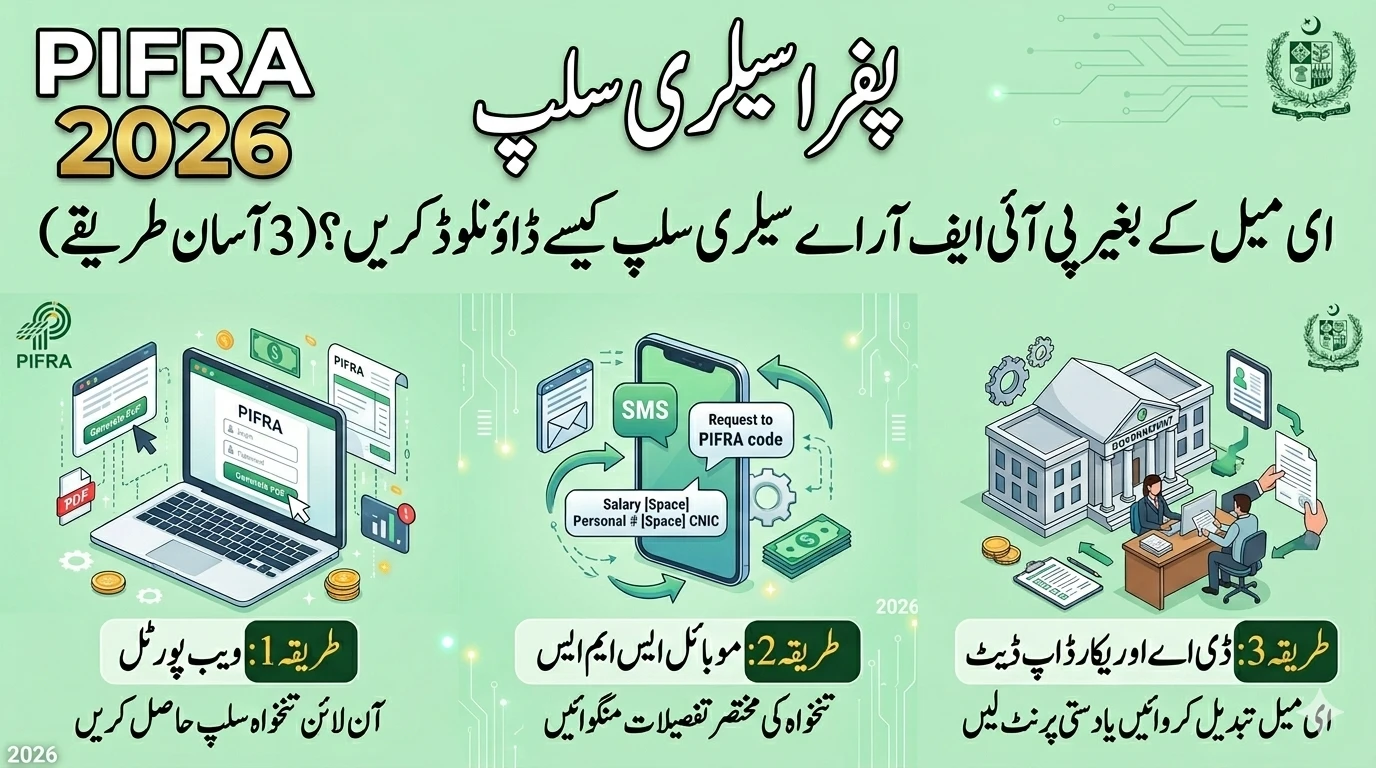
- ملازمین کے لیے فائدہ: ان کوڈز کی بدولت ملازمین اپنی تنخواہ کی سلپ ای میل کے ذریعے حاصل کر سکتے ہیں، جی پی فنڈ (GP Fund) کی تفصیلات دیکھ سکتے ہیں اور تبادلے کی صورت میں اپنی مالیاتی معلومات منتقل کر سکتے ہیں۔
- کوڈز کہاں سے ملیں گے؟ سرکاری ملازمین یہ کوڈز اپنی پرانی سیلری سلپ، ضلعی اکاؤنٹس آفس (DAO) یا متعلقہ صوبائی AG آفس کی ویب سائٹ سے حاصل کر سکتے ہیں۔
مختصراً یہ کہ PIFRA کوڈز پاکستان کے مالیاتی نظام کی ریڑھ کی ہڈی ہیں، جو سرکاری ملازمین کے مالی حقوق کے تحفظ اور ریکارڈ کی درستی کو یقینی بناتے ہیں۔
FAQs
1. What is a DDO code in PIFRA?
A DDO (Drawing and Disbursing Officer) code is a unique identifier for a specific government office or head of department. It allows that officer to draw funds from the government treasury to pay salaries or office expenses.
2. Can I change my PIFRA personal number?
No. Your personal number is a permanent ID assigned to you when you enter government service. Even if you get promoted or move to a different province, your number remains the same.
3. How do I register for PIFRA salary slips?
You can register on the official PIFRA website by providing your CNIC, date of birth, and mobile number. Once registered, you will receive your salary slip via email every month.
4. What should I do if my DDO code is wrong on my slip?
You should immediately contact your department’s accounts branch or visit the District Accounts Office. They will need to issue an “Update Form” to correct the code in the SAP system.
5. Are federal codes different from provincial codes?
Yes. Federal employees have a different set of fund codes compared to provincial employees, although the format of the codes follows the same PIFRA standard.
Final Thoughts
The PIFRA government codes system might seem like a headache at first, but it is actually there to protect you. It ensures that the right money goes to the right person at the right time. By understanding your DDO code, your personal number, and your province’s specific requirements, you can take control of your professional finances.
If you are ever in doubt, always refer back to your latest salary slip—it is the roadmap to your financial identity in the Pakistan government.