The economic atmosphere in Pakistan is currently undergoing a unique shift. Usually, when global oil prices drop, governments around the world take the opportunity to pull back on financial support programs to save the national treasury some money. However, the Government of Pakistan has decided to take a much more people-centric approach this month.
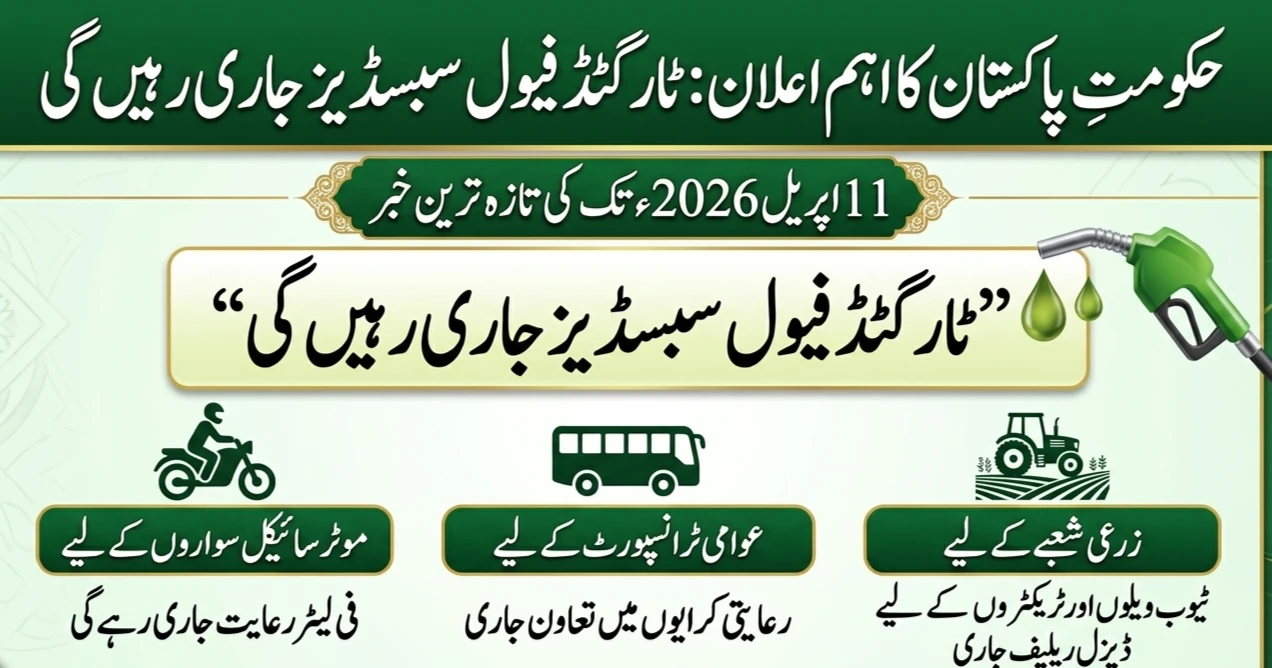
As of April 11, 2026, official word has come directly from the Prime Minister’s Office: the targeted fuel subsidy program is here to stay. Even though we are seeing a significant and welcome decrease in the market prices of petroleum products, the administration is doubling down on its promise to protect the most vulnerable citizens.
For the millions of people who rely on motorcycles, public transport, and agricultural machinery, this isn’t just a political headline—it’s a vital lifeline that keeps their daily budgets from collapsing.
Why Subsidies Matter When Prices Are Falling
It might seem confusing at first. Why keep a subsidy active when petrol is already getting cheaper? To understand this, we have to look at the “Purchasing Power” of the average Pakistani family.
For the past few years, inflation has been a heavy burden. Even with a price drop at the pump, the “trickle-down” effect—where food and transport costs decrease—takes a long time to reach the common man. By maintaining the targeted subsidy, the government is essentially creating a “double-cushion” effect.
- Market Drop: Reduces the base cost.
- Subsidy: Provides an extra layer of relief specifically for low-income groups.
This combination is designed to accelerate the recovery of the household economy. Prime Minister Shehbaz Sharif emphasized that the goal isn’t just to make fuel cheaper, but to make life more affordable for those who have been hit hardest by the global economic crisis.
Breaking Down the “Targeted” Approach: Who is Covered?
The word “targeted” is the most important part of this policy. In the past, Pakistan often used “blanket subsidies” where everyone, including owners of luxury SUVs, benefited from cheaper fuel. That was expensive and unfair.
The 2026 model is different. It uses data and technology to ensure that every rupee spent by the government goes to someone who actually needs it.
1. The Two-Wheeler Community
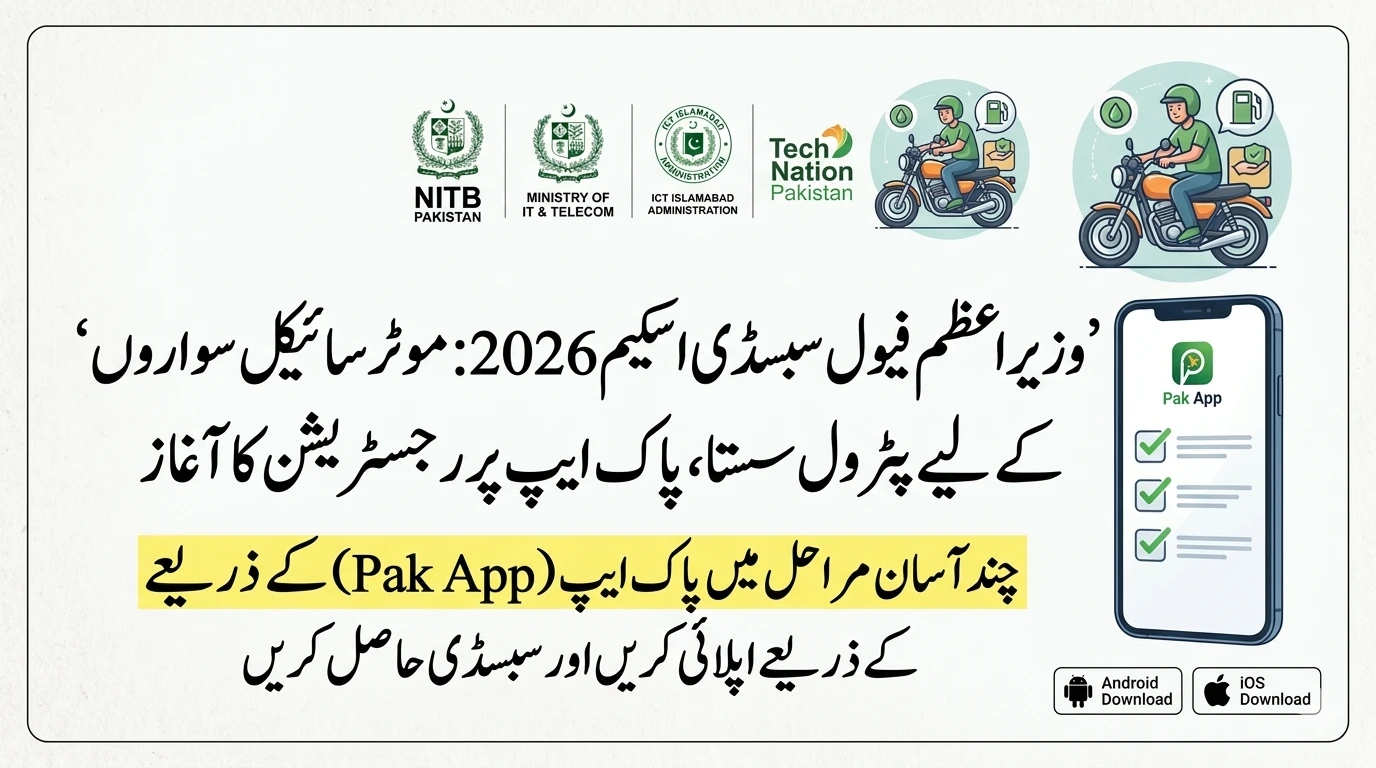
Motorcyclists are the backbone of the Pakistani workforce. Whether it’s a delivery rider in Lahore, a student in Talagang, or a daily laborer in Karachi, the bike is their primary tool for earning. The government has confirmed that the discount for registered motorcycle owners will continue without interruption.
2. Public Transport and Commuters
To keep bus and wagon fares stable, the government is continuing its support for public transport providers. This ensures that even if you don’t own a vehicle, you still benefit from the subsidy through lower ticket prices for your daily commute to work or school.
3. The Agricultural Sector
April is a critical month for farmers across the country. It is the peak of harvesting and sowing seasons. Tractors and tube wells require a massive amount of diesel. By confirming the continuation of the diesel subsidy, the government is protecting our food security. When the cost of farming stays low, the price of flour and vegetables stays stable for everyone.
How the April 2026 Confirmation Impacts the Local Market
When the news broke on April 11, markets reacted with a sense of stability. Businesses that rely on logistics can now plan their budgets for the rest of the month without fearing a sudden jump in operational costs.
For residents in regions like Punjab, where the Maryam Ko Batayen initiative is active, this confirmation serves as a green light for continued digital registration. The government is moving away from paper-based systems and toward a more “Smart Subsidy” model. This means your CNIC is your key to relief.
The Role of Digital Infrastructure
The current administration has invested heavily in platforms like the 8171 web portal and various provincial apps. These tools are being used to verify eligibility in real-time. If you are already in the system, you don’t need to worry—your benefits will roll over automatically into the new month.
Managing the National Treasury: Can We Afford This?
A common question asked by analysts is: “How can Pakistan afford to keep subsidies going?” The answer lies in the “Surgical Precision” of the program.
Because the subsidy is no longer available to wealthy individuals or high-consumption vehicles, the total cost to the government is much lower than it used to be. The money saved by removing the “blanket” is now being redirected to the “targeted” groups. This is a much more sustainable way to manage the national budget while still providing a social safety net.
Steps to Ensure Your Subsidy Remains Active
With the continuation confirmed for April 2026, users should take a few minutes to ensure their data is up to date. Here is a simple checklist:
- Check Your Registration: Visit the official portal or send your CNIC to 8171 to verify your current status.
- Vehicle Mapping: Ensure the motorcycle or vehicle you are using is registered in your name or linked to your CNIC in the excise database.
- Update Your Mobile Number: Many alerts regarding subsidy disbursement are sent via SMS. Make sure the SIM card you use is registered in your name.
- Use Official Channels: Always use verified apps like “Maryam Ko Batayen” or official government websites to avoid scams.
A Vision for Economic Stability
This latest move by PM Shehbaz Sharif is seen by many as a “Bridge to Stability.” The hope is that by the end of 2026, the economy will have stabilized enough that these subsidies can eventually be transitioned into long-term development projects.
But for now, the priority is clear: Relief first. The government’s confirmation that these programs will not be discontinued—even in the face of falling petroleum prices—shows a commitment to the “Pasmanda” (marginalized) classes that has rarely been seen in previous economic cycles.
Summary of the April 11 Official Announcement
| Category | Status | Eligibility |
|---|---|---|
| Bikers/Two-Wheelers | Confirmed / Continuing | Low-income registered owners |
| Public Transport | Confirmed / Continuing | Registered commercial vehicles |
| Agriculture/Tractors | Confirmed / Continuing | Registered farmers/Landowners |
| Private Luxury Cars | Not Eligible | High-income earners |
Frequently Asked Questions (FAQs)
1. If petrol prices dropped yesterday, why is the subsidy still there?
The government wants to ensure that the “Total Relief” is significant enough to lower the overall cost of living. Combining a market price drop with a targeted subsidy provides maximum help to low-income families.
2. How do I register for the fuel subsidy in April 2026?
The easiest way is to send your 13-digit CNIC number to 8171. You can also check your eligibility through the Maryam Ko Batayen app or the official BISP (Benazir Income Support Programme) counters in your local district.
3. Will the subsidy end in May?
While the current confirmation specifically covers April 2026, the Prime Minister has indicated that as long as the economic “cushioning” is needed for the poor, the programs will remain a priority in the budget.
4. Is the diesel subsidy only for farmers?
Primarily, yes. The diesel subsidy is targeted toward the agriculture and transport sectors to prevent food price inflation and keep public transport affordable for everyone.
5. What should I do if my CNIC shows as “Ineligible”?
Eligibility is based on the “Proxy Means Test” (PMT) score from the National Socio-Economic Registry (NSER). If your financial situation has changed, you can visit a registration center to request a re-survey of your household.