A no-nonsense breakdown of which skincare ingredients and product categories actually hold up in Pakistani conditions, and how to tell if a product is worth your money.
Pakistan is not a one-climate country, but most of it shares three skin-hostile conditions: intense UV exposure for the majority of the year, hard water that leaves calcium and magnesium deposits on the skin, and humidity levels that push sebum production into overdrive from April through September. Add urban air pollution in cities like Lahore, Karachi, and Faisalabad, and you have an environment where most internationally formulated skincare underperforms.
This creates a real problem for anyone trying to build a routine. The products selling fastest on Daraz and Instagram are often formulated for cooler, drier climates. They sit heavy on the skin, break down in heat, or use concentrations that were never tested in conditions above 35°C. Finding skin care products in Pakistan that are formulated with local conditions in mind requires knowing what to look for and what to avoid.
What Sunscreen in Pakistan Actually Needs to Do

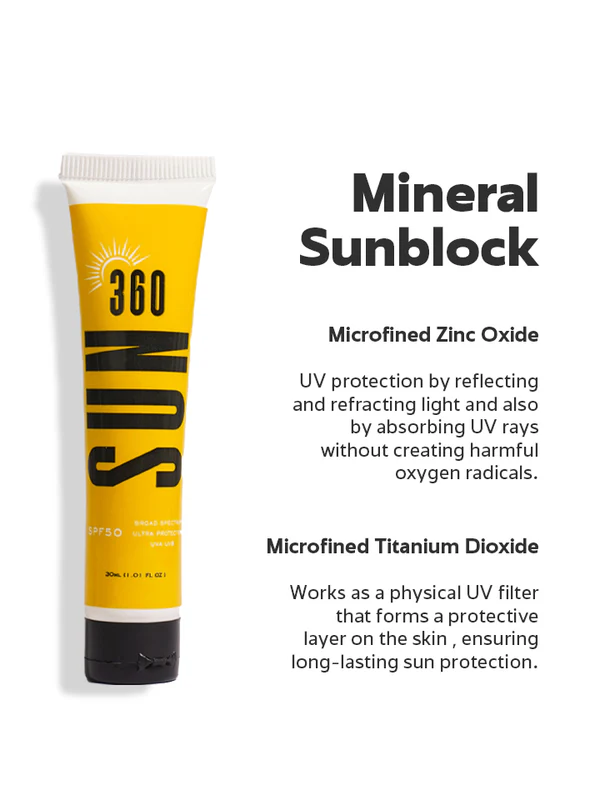
UV index in Pakistani cities exceeds 8 for roughly seven months of the year. That is not seasonal sun. That is chronic, year-round exposure that drives pigmentation, collagen breakdown, and premature ageing faster than almost any other environmental factor. A broad spectrum sunscreen rated SPF 50 is not a summer extra. It is the most impactful product in any skincare routine used in this part of the world.
The problem with most sunscreens sold in Pakistan is texture. Heavy, occlusive formulations designed for European skin types leave a white cast on medium to dark skin tones, feel greasy within an hour in humid conditions, and clog pores on oily skin. The best sunblock in Pakistan for daily wear should be lightweight, non-comedogenic, and offer both UVA and UVB protection without the chalky finish that makes people skip reapplication.
If your skin runs oily or is acne-prone, look for sunscreens with a matte or semi-matte finish. Sunscreen for oily skin in Pakistan works best when the formula includes oil-absorbing agents alongside UV filters, so it controls shine without requiring powder on top.

Niacinamide Serum in Pakistan: Why It Fits Almost Every Skin Type Here
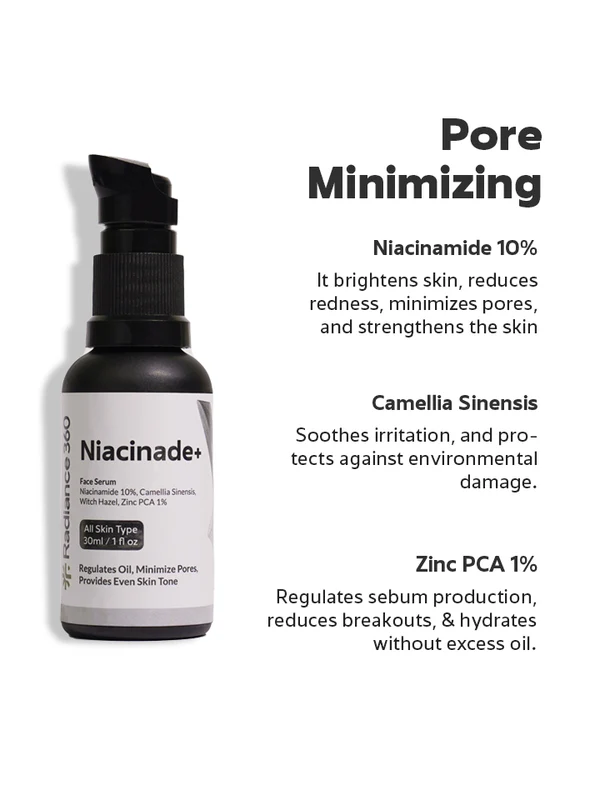
If there is one active ingredient that is genuinely well-suited to Pakistani skin and climate, it is niacinamide. A niacinamide serum in Pakistan at 5% to 10% concentration addresses three of the most common concerns in this market simultaneously: excess oil production, post-inflammatory hyperpigmentation, and enlarged pores.

Niacinamide (vitamin B3) works by strengthening the skin’s moisture barrier, reducing the amount of sebum the skin produces, and inhibiting the transfer of melanin pigment to the skin’s surface. That last mechanism is why it shows up in so many brightening serum in Pakistan formulations. It does not bleach the skin. It slows down the process that causes dark spots and uneven tone after acne or sun exposure.
For best results, look for a niacinamide serum that discloses its exact concentration on the label. A product that just says “contains niacinamide” without a percentage could be using 0.5% or 8%, and the difference in results is significant.
Salicylic Acid Serum for Acne-Prone Skin in Pakistani Conditions
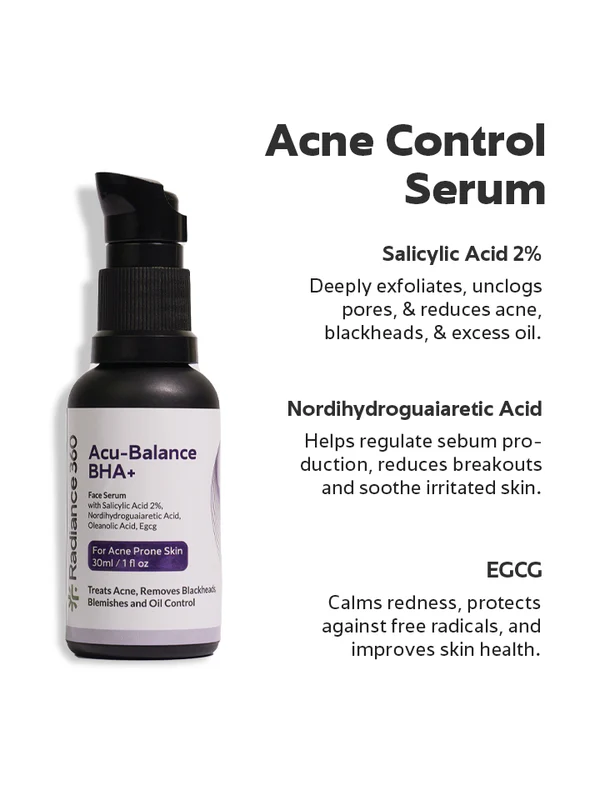
Acne in Pakistan is aggravated by heat, humidity, and hard water mineral buildup inside pores. A salicylic acid serum in Pakistan at 1% to 2% is the most effective over-the-counter active for this environment because salicylic acid (BHA) is oil-soluble. That means it can dissolve the sebum plugs sitting inside pores, unlike water-soluble acids like glycolic acid that only work on the skin’s surface.
A good face wash for acne prone skin containing salicylic acid handles the cleansing and exfoliation step in one. But for stubborn congestion, a leave-on BHA serum applied after cleansing gives the acid more contact time with the pore lining, which produces better results over 6 to 8 weeks of consistent use.
Pair it with a non-comedogenic moisturizer for oily skin in Pakistan to keep the barrier hydrated without adding surface oil. BHA can be drying on its own, and skipping moisturiser after acid use is one of the most common mistakes people make.
Antioxidant Serums: Vitamin C, Ferulic Acid, and Pollution Defence
Lahore’s PM2.5 levels during winter smog season regularly exceed WHO guidelines by 10x or more. Airborne pollution particles generate free radicals on the skin surface that accelerate pigmentation, weaken collagen, and dull the complexion. An antioxidant serum is not a luxury in this context. It is a defensive necessity.
The most evidence-backed combination in dermatological research is vitamin C + vitamin E + ferulic acid. When formulated together, these three antioxidants stabilise each other and provide significantly more photoprotection than any of them used alone. A vitamin C serum in Pakistan paired with a ferulic acid serum should be applied in the morning, under sunscreen, to neutralise free radicals throughout the day.
Stability matters. L-ascorbic acid (the most potent form of vitamin C) degrades quickly in heat and light. If your vitamin C serum has turned orange or brown, it has oxidised and is no longer effective. Look for formulations in opaque or amber glass bottles, stored away from direct sunlight. In Pakistan’s climate, this is not optional packaging. It is a formulation requirement.
Peptide Serums and Snail Mucin: Two Ingredients Gaining Ground in Pakistan
A peptide serum in Pakistan containing signal peptides like Matrixyl or Argireline communicates with skin cells to increase collagen and elastin production. Peptides do not exfoliate, they do not cause purging, and they rarely irritate. This makes them a practical option for anyone whose skin cannot tolerate retinol or strong acids, which includes a significant portion of Pakistani users dealing with sensitised barriers from hard water and harsh cleansers.
Snail mucin serum in Pakistan has gained traction for post-acne recovery. Snail secretion filtrate contains glycoproteins, hyaluronic acid, and allantoin, which support wound healing and reduce the appearance of post-inflammatory marks. It is not a pigmentation treatment on its own, but layered with niacinamide and sunscreen, it contributes to faster recovery from acne scarring.
How to Tell if a Skincare Product is Worth Buying in Pakistan
The Pakistani skincare market has more options than ever. That is good for competition and pricing, but it has also made it harder to separate well-formulated products from label-decorated bottles with trace amounts of trendy ingredients. Three things worth checking before you buy:
Active concentrations on the label. A serum that says “with niacinamide and salicylic acid” but does not tell you the percentages is asking you to trust it without evidence. The best skin care products in Pakistan print exact concentrations so you can verify that the dosage matches what clinical research supports.
Third-party testing or certification. PCSIR certification in Pakistan, or independent lab analysis, confirms the product contains what the label claims at the concentrations stated. This matters more for serums in Pakistan than for basic cleansers, because actives like retinol, vitamin C, and BHA are concentration-dependent. Too little does nothing. Too much causes damage.
Formulation suited to the climate. Water-based, lightweight textures absorb properly in heat and humidity. Oil-heavy formulations designed for dry European winters will sit on the surface and clog pores in Karachi’s summer. A serum for oily skin in Pakistan or a face wash for oily skin in Pakistan should be formulated with the understanding that Pakistani skin operates in fundamentally different environmental conditions than the markets most international brands design for.
The ingredients matter. But so does the concentration, the stability, the texture, and whether the product was designed for the climate your skin actually lives in.
Where to Find Pharmacist-Formulated Skincare in Pakistan
Most skincare in Pakistan falls into two camps: mass-market products with weak formulations, and imported brands with strong formulations designed for different climates. The gap in between, clinical-grade concentrations in locally formulated products, is where a pharmacist-led brand has a structural advantage.
Radiance360 is one of the few Pakistani brands that operates in this space. Their range covers niacinamide, BHA, vitamin C + ferulic acid, peptides, snail mucin, sunscreen, and multiple facewash options, each with disclosed active concentrations and PCSIR certification. The full range is available in their skincare products in Pakistan collection, which covers the core product categories discussed in this article.
The point is not that one brand has all the answers. The point is that the criteria for choosing any skincare product in Pakistan should be the same: verified concentrations, climate-appropriate formulation, and transparency about what is in the bottle. Apply those filters, and most of the noise in the market disappears.