In a sudden but welcome move for millions of Pakistanis, Prime Minister Shehbaz Sharif has announced a major reduction in fuel prices. After a week of high tension and rising costs, the government decided to pull back and offer some breathing room to the public.
This announcement comes at a critical time. For many families, the cost of commuting and transporting goods had become a heavy burden. By slashing the petroleum levy, the Prime Minister is signaling that the government is listening to the struggles of the common man.
The Big Change: Petrol Now at Rs. 378 per Liter
The most headline-grabbing part of the announcement is the direct cut in petrol prices. Just a day ago, prices had reached record highs, leaving many people shocked at the pumps. Today, the situation looks a bit different.
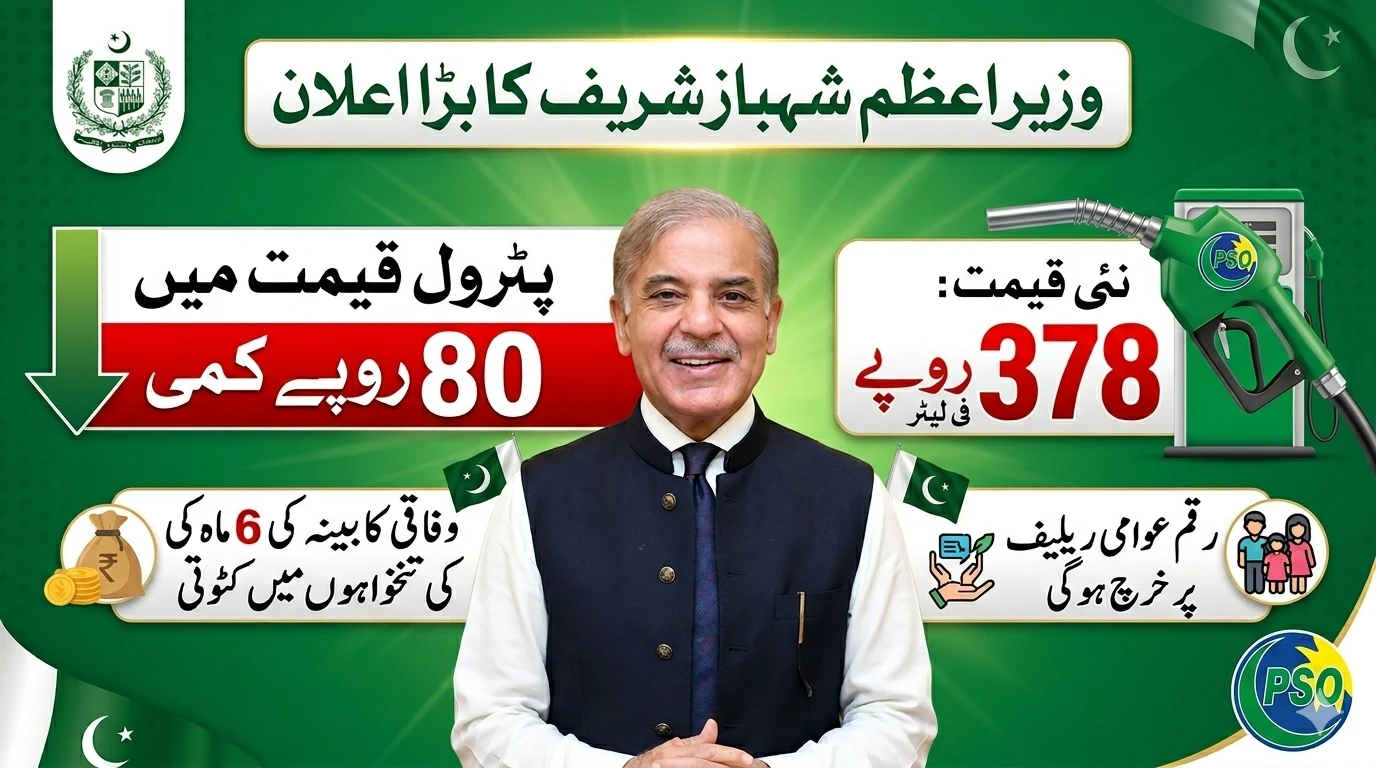
The government has reduced the petrol price by Rs. 80 per liter. This brings the new price down to Rs. 378 per liter.

While this price is still higher than what we saw at the start of the year, the 80-rupee drop is one of the largest single-day reductions in recent history. It shows a significant shift in how the federal government is managing the current energy crisis.
Leading by Example: Cabinet Members Give Up Salaries
It isn’t just about the fuel prices. Prime Minister Shehbaz Sharif also announced a major austerity measure involving his own team. In a move to share the public’s financial pain, the entire Federal Cabinet has agreed to a significant sacrifice.
Every member of the federal cabinet will contribute six months of their salary to a national relief fund. This money will not go into the general treasury but will be specifically used to fund relief programs for the public.
This isn’t the first time the cabinet has taken a pay cut, but extending it to six months is a bold step. It aims to show that the leadership is willing to tighten its own belt before asking the public to do the same. This kind of “leading from the front” is often what people look for during tough economic times.
Why Fuel Prices Are Fluctuating So Much
You might be wondering why prices are jumping up and down so quickly. To understand this, we have to look beyond our borders. Currently, the global oil market is in a state of chaos.

The ongoing conflicts in the Middle East have made it very difficult to maintain steady oil supplies. When there is war or tension near major oil-producing regions, the international price of crude oil goes up. Because Pakistan imports a huge portion of its fuel, we feel those shocks almost immediately.
Prime Minister Shehbaz Sharif explained in his address that the government had been trying to “shield” the public from these global storms. For a few weeks, the government used national resources to keep prices stable, but the pressure eventually became too much, leading to the recent hikes. This new 80-rupee cut is an attempt to find a middle ground between global reality and local necessity.
Special Relief for Motorcyclists
One of the most interesting parts of this 2026 relief package is the targeted approach. The Prime Minister knows that those riding motorcycles are often the hardest hit by fuel hikes.
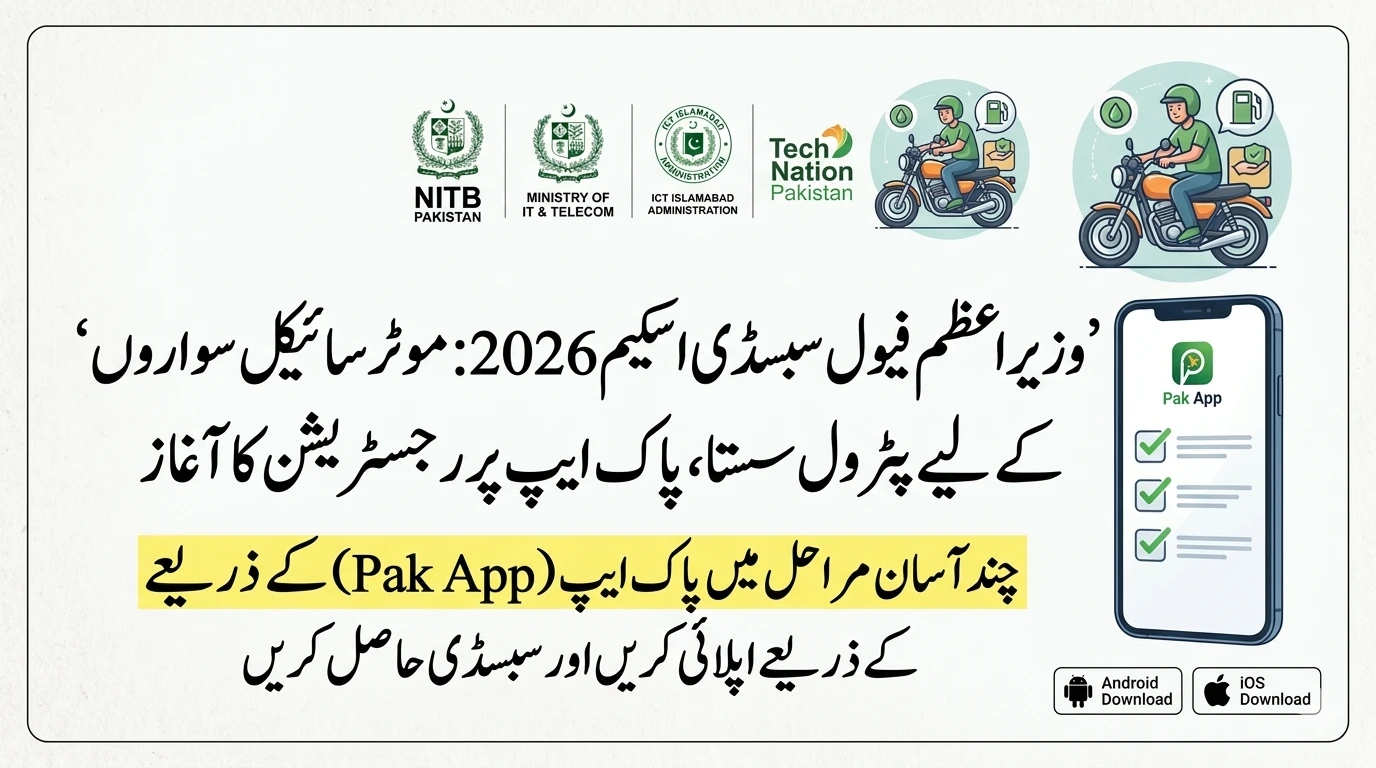
A new Rs. 100 per liter subsidy has been introduced specifically for bike owners. This is a targeted relief measure meant to help lower-income workers, delivery riders, and students who rely on two-wheelers for their daily bread and butter.
By separating the needs of big car owners from bike owners, the government is trying to ensure that the people who need help the most actually get it. This “smart relief” is part of a broader strategy to manage the economy without letting the most vulnerable fall through the cracks.
The Ripple Effect on Daily Life
When petrol prices go down, it isn’t just the people at the filling stations who happy. Fuel prices affect almost everything we buy.
- Transport Costs: Public transport fares and freight charges for trucks should ideally see a decrease.
- Food Prices: Since most of our vegetables and grains are moved by trucks, lower fuel costs can help stop the rising prices of groceries.
- Inflation: High fuel prices are the main driver of inflation. This cut acts as a “break” on the rising cost of living.
However, the challenge is always making sure that these savings are passed on to the consumer. The government will need to work closely with local administrations to ensure that transporters and shopkeepers don’t keep their prices high while enjoying cheaper fuel themselves.
Building a Faster, Smarter Content Workflow
In the world of news and government updates, things change in the blink of an eye. This petrol price announcement is a perfect example of why we need a better way to stay informed. To keep up with these rapid shifts, we have to move toward a faster, smarter content workflow.
We can no longer rely on slow, outdated methods to get information to the public. By using modern tools and clear communication, we can ensure that every citizen knows exactly what they are paying and what relief they are entitled to. This article is part of that effort—providing clear, honest, and easy-to-read information without the fluff.
Scaling Quality Without Sacrificing Truth
As we cover more topics, from BISP updates to Punjab government schemes, the goal remains the same: scale content without sacrificing quality. It is easy to churn out thousands of words, but it is much harder to make sure those words are helpful and accurate.
Whether we are discussing the new Rs. 378 petrol price or the cabinet’s salary cuts, our priority is to provide a human-centered view. We want to avoid the robotic, repetitive style that often fills the internet. Instead, we focus on what this news actually means for you, your family, and your monthly budget.
Summary of the Relief Package
To make things easy, here is a quick look at what has been changed:
| Item | Previous Status | New Update |
|---|---|---|
| Petrol Price | Rs. 458 per liter | Rs. 378 per liter |
| Price Reduction | N/A | Rs. 80 per liter cut |
| Cabinet Salaries | Regular Pay | 6-month salary cut |
| Motorcycle Subsidy | General Rate | Rs. 100 per liter discount |
| Relief Duration | N/A | At least one month |
What Happens Next?
The government has promised that these prices will remain stable for at least the next month. This gives businesses and families some time to plan their expenses. However, the long-term future still depends on the situation in the Middle East.
The Prime Minister and his economic team are reportedly working with international partners to secure more stable energy deals. For now, the focus is on immediate relief and making sure that the 80-rupee cut reaches every fuel station in Pakistan.
Frequently Asked Questions (FAQs)
1. When does the new petrol price take effect?
The new price of Rs. 378 per liter took effect at midnight following the Prime Minister’s announcement. It should be reflected at all authorized fuel stations across the country immediately.
2. Is the diesel price also reduced by 80 rupees?
No, the 80-rupee reduction specifically applies to the petroleum levy on petrol. While the diesel levy has been adjusted to zero, the pump price for diesel remains higher as the government focuses relief on petrol and targeted transport subsidies.
3. How can I get the Rs. 100 subsidy for my motorcycle?
The government is using the existing database (likely linked to the 8171 system or CNIC) to identify eligible motorcycle owners. You may need to register your vehicle to receive the discount at participating stations.
4. Why did the cabinet cut their salaries for 6 months?
The Prime Minister stated that this move is a form of “national sacrifice.” The saved money is being redirected into a public relief fund to help offset the high cost of living caused by global oil prices.
5. Will food prices go down because of this?
Ideally, yes. Lower fuel costs reduce the cost of transporting food from farms to cities. However, this depends on local market committees and transport unions following the new fuel rates.