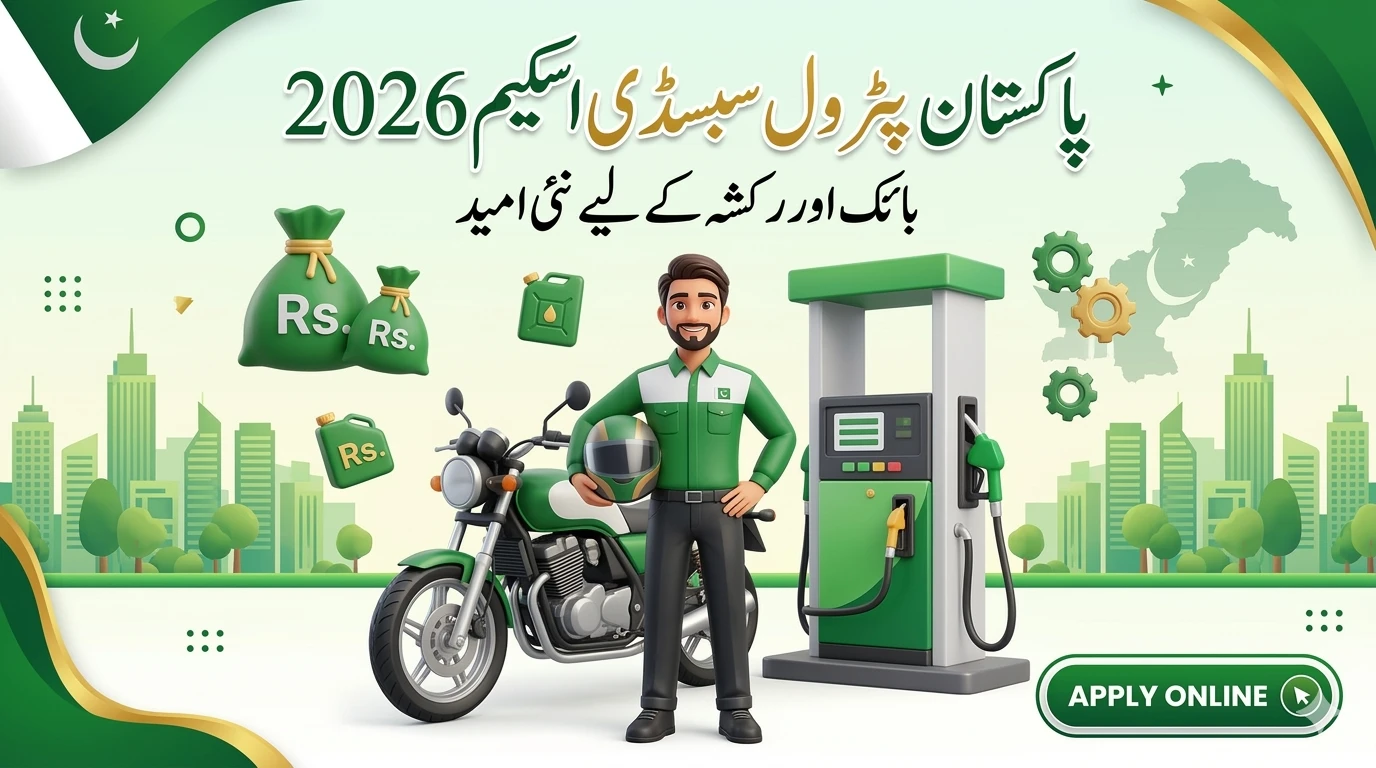
The daily struggle of the common man in Pakistan has reached a breaking point, especially when it comes to the cost of moving from point A to point B. Between the global market shifts and regional tensions, the price of petrol has become a heavy burden for those who rely on two wheels or three wheels to make a living.
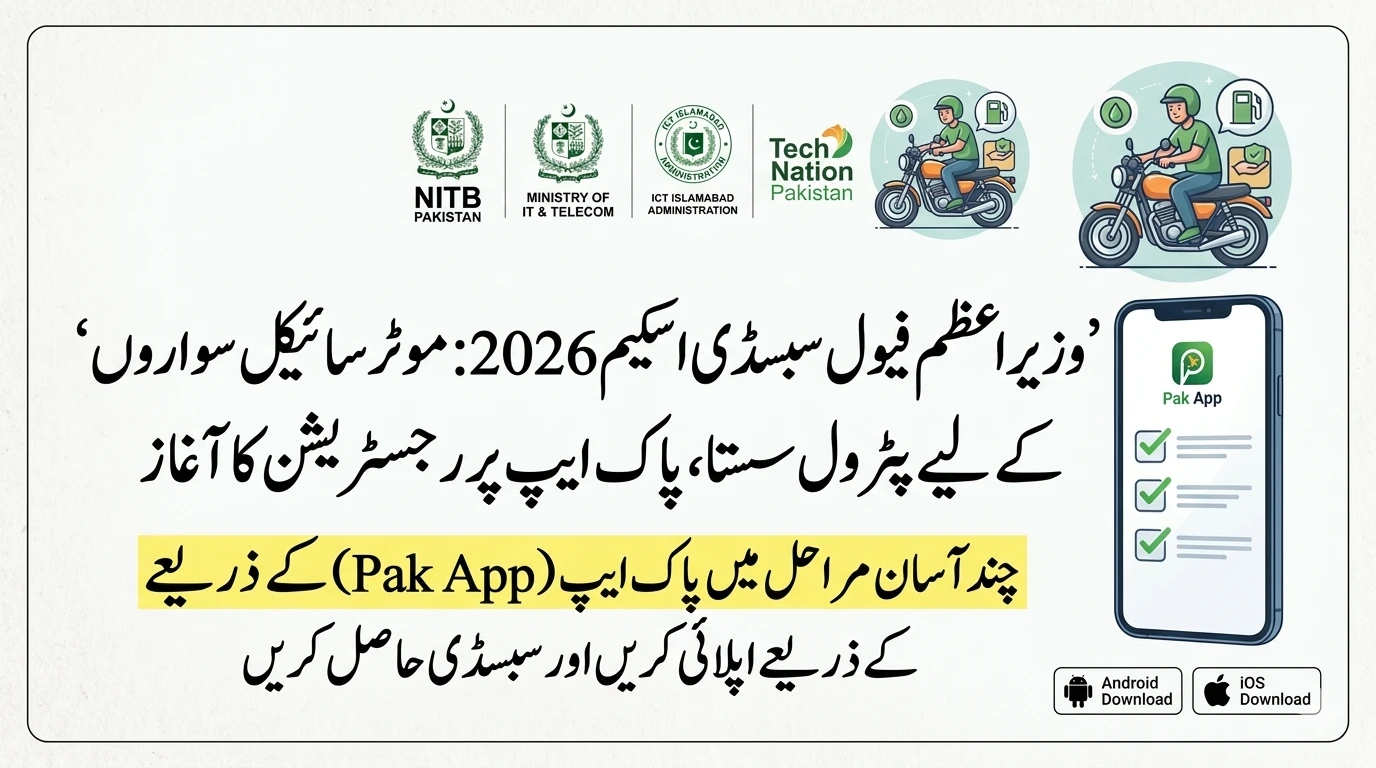
However, there is a glimmer of hope on the horizon. The Federal Government has recently signaled the launch of a targeted petrol subsidy scheme specifically designed for motorcyclists and rickshaw drivers. This move aims to provide a much-needed financial cushion against the record-high fuel prices that have plagued the country in recent months.
Understanding the Need for Targeted Fuel Relief
For years, fuel subsidies in Pakistan were blanket policies—meaning both the owner of a luxury SUV and the rider of a 70cc motorcycle benefited equally. Economists have long argued that this was unfair and unsustainable. The 2026 strategy marks a shift toward “targeted subsidies.”
By focusing on motorcycles and rickshaws, the government is looking to protect the most vulnerable segments of the transport sector. These are the people for whom a Rs 50 increase in petrol isn’t just a minor inconvenience; it’s a choice between buying fuel or buying dinner.
The Secretary’s Testimony: What We Know So Far
The news surfaced during a high-level meeting of the Senate Standing Committee on Petroleum. Hamed Yaqoob Sheikh, the newly appointed Petroleum Secretary, confirmed that the government is actively “working on a package” to provide direct relief.
While the fine details are still being polished, the intent is clear: the government wants to lower the effective price of fuel for those who use it for essential daily travel and small-scale commercial work.
Why Are Petrol Prices So High? The “Iran War” Factor
To understand why this subsidy is necessary, we have to look at the “why” behind the prices. Earlier this week, the country saw a massive Rs 55 hike in petrol prices. This wasn’t just a random decision; it was a direct result of the escalating conflict often referred to as the Iran war.
Also ReadWhen regional stability breaks down, oil supply lines are the first to suffer. For a country like Pakistan, which relies heavily on imported fuel, these global shocks translate immediately to the local petrol pump. The government’s decision to keep petrol and diesel prices unchanged for the current week—despite these pressures—shows a desperate attempt to hold the line before the subsidy is ready.
Key Features of the Pakistan Petrol Subsidy Scheme 2026
While the full policy document is yet to be released, the discussions in Islamabad point toward several key pillars of this relief package:
- Vehicle Specificity: Only registered motorcycles and commercial rickshaws will be eligible.
- Capped Monthly Liters: To prevent abuse, there will likely be a limit on how many liters of subsidized petrol a person can buy each month.
- Digital Integration: The government is looking into using CNICs or digital apps to track the subsidy, ensuring the money goes to the right person.
- Direct Cash Back or Pump Discount: The relief might come as a direct discount at the station or a cash-back transfer via mobile wallets like EasyPaisa or JazzCash.
Learning from the Khyber Pakhtunkhwa Model
The Federal Government isn’t reinventing the wheel. A similar move was recently initiated by the Khyber Pakhtunkhwa (KP) government. By observing the successes and failures of the provincial model, the federal authorities hope to create a more robust system that can be scaled across all provinces, from Punjab to Sindh and Balochistan.
The KP model focused on identifying low-income riders through existing provincial databases. The federal version aims to be even more inclusive, potentially linking with the Benazir Income Support Program (BISP) or other social safety nets.
The Economic Impact on Daily Wagers
Rickshaw drivers are the backbone of urban transport in cities like Lahore, Karachi, and Rawalpindi. When fuel prices jump by Rs 55, a rickshaw driver’s daily profit can drop by 30% to 40%. They cannot always pass this cost onto passengers, as the public is already struggling with inflation.
A subsidized fuel scheme would mean:
- Lower Commute Costs: Cheaper fuel for rickshaws leads to stable fares for the public.
- Increased Take-Home Pay: Motorcyclists—mostly office workers and delivery riders—will save thousands of rupees monthly.
- Controlled Food Inflation: Since many small goods are transported via rickshaws and loaders, cheaper fuel helps keep grocery prices from spiraling further.
The Challenges of Implementation
Every great plan faces hurdles. The biggest challenge for the Petroleum Ministry will be “leakage.” How do you stop a car owner from using a motorcyclist’s ID to get cheap petrol? This is why the Senate Standing Committee is insisting on a high-tech solution. Whether it’s through QR codes or biometric verification at the pump, the system must be airtight to ensure the Rs 23 billion already approved for oil marketing companies actually translates into relief for the poor.
The Role of the Senate Standing Committee
The Senate Standing Committee on Petroleum, chaired by Senator Manzoor Ahmed, is playing a watchdog role. Their goal is to ensure that the “relief” promised isn’t just a political statement but a reality on the ground. During the recent testimony, the committee pushed for transparency, asking the Petroleum Secretary for a clear timeline on when the motorcyclists of Pakistan can expect to see lower prices.
How to Prepare for the Subsidy Registration
While the official portal hasn’t opened yet, historical government schemes suggest that you should have the following ready:
- Valid CNIC: Make sure your identity card is not expired.
- Vehicle Registration: The motorcycle or rickshaw should be registered in your name or your immediate family’s name.
- Active Mobile Number: Most subsidies in 2026 are linked to your phone for OTP verification.
- Digital Wallet: Having an active account on a mobile banking app will likely speed up the process.
Conclusion: A Necessary Step in Tough Times
The announcement of a petrol subsidy for bikes and rickshaws is a recognition of the harsh reality facing millions of Pakistanis. While the Iran war and global oil hikes are outside of the country’s control, how the government protects its citizens is very much within its power.
This scheme isn’t just about petrol; it’s about keeping the wheels of the economy moving. If the delivery boy can afford to ride his bike and the rickshaw driver can afford to keep his engine running, the country stays mobile. We look forward to the final rollout of this package and hope it brings the relief that every Pakistani household is praying for.
Frequently Asked Questions (FAQs)
1. Who is eligible for the new petrol subsidy?
The scheme is specifically being designed for motorcycle owners and rickshaw drivers. The government aims to target low-to-middle-income individuals who use these vehicles for daily transport or livelihood.
2. How much discount will be given on petrol?
The exact discount amount per liter has not been finalized yet. However, the goal is to “cushion the impact” of recent price hikes, which suggest a significant reduction compared to the standard market rate.
3. When will the registration for the fuel scheme start?
The Petroleum Secretary has confirmed that the government is currently “working on the package.” An official date for registration is expected to be announced following the next cabinet meeting.
4. Will the subsidy be available across all of Pakistan?
Yes, this is a federal plan intended to cover the entire country, following the successful implementation of similar provincial initiatives like the one in Khyber Pakhtunkhwa.
5. Do I need a smartphone to apply?
While a smartphone and digital apps will make the process easier, the government usually provides an SMS-based service (like the 8171 service for BISP) to ensure those without internet can also benefit.
Pakistan Petrol Subsidy Scheme 2026: Online Registration & Eligibility Guide

By: Maryam Malik
On: Tuesday, March 17, 2026 10:52 AM