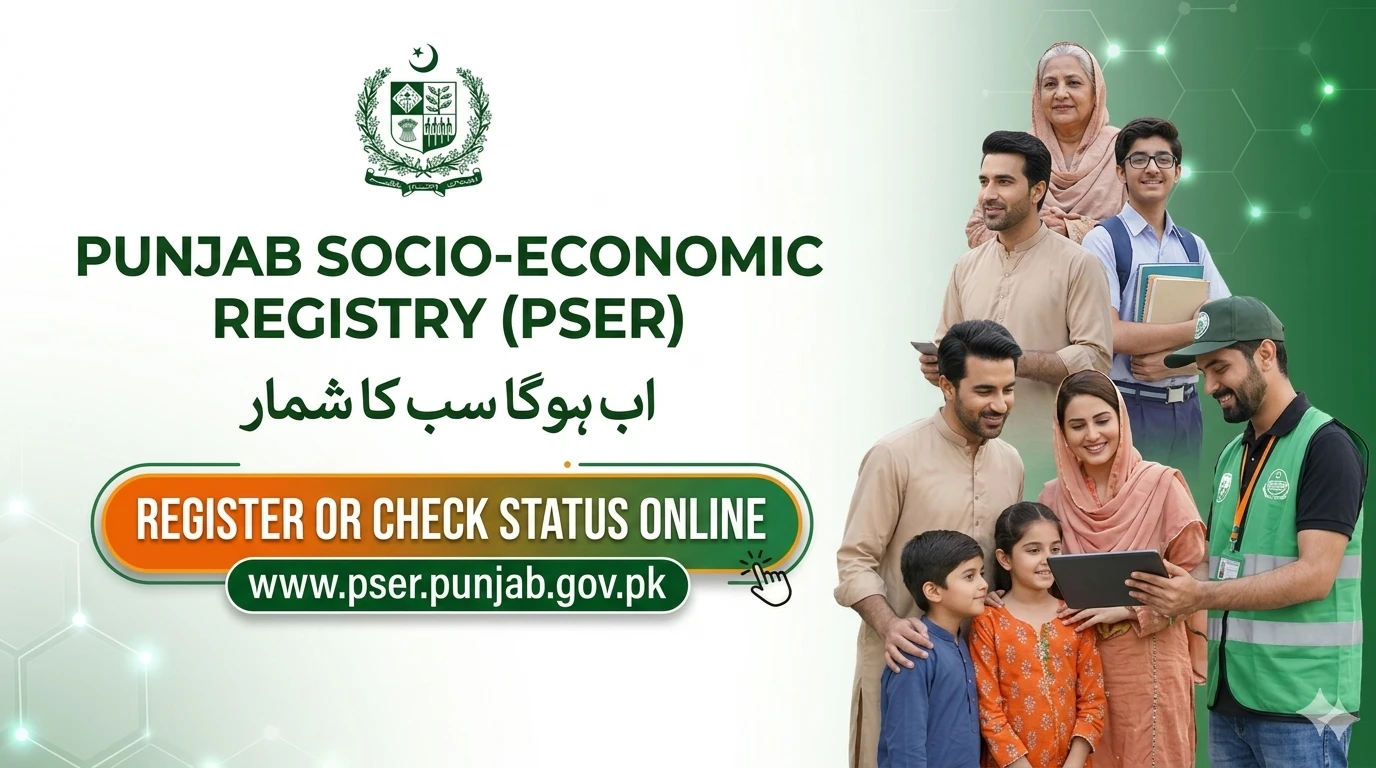
In a province as large and diverse as Punjab, making sure that government help reaches the right person at the right time is a huge challenge. For years, many families who truly needed support were left behind because the government didn’t have a clear picture of their needs. This is where the Punjab Socio-Economic Registry (PSER) comes into play.
Known by its powerful slogan, “Ab Hoga Sab ka Shumar” (Everyone will be counted), this initiative is changing how the government thinks about its citizens. It isn’t just a list of names; it is a smart, digital way to understand the living conditions of every household in the province.
By building this registry, the Government of Punjab aims to create a transparent system where transparency isn’t just a buzzword—it’s a reality. Let’s take a deep dive into what PSER is, how it works, and why it is so important for your family.
What Exactly is the PSER?
The PSER is a massive database managed by the Punjab Social Protection Authority (PSPA). Think of it as a digital “snapshot” of the entire province. It collects information about how people live, what they earn, and what kind of help they might need from the government.

Unlike old-fashioned paper records that could be lost or manipulated, PSER uses modern technology to store data securely. This makes it much easier for the government to plan new programs, whether they are related to health, education, or financial aid.
The Core Goals of the Registry
The registry was built with a few main goals in mind:
- Accuracy: Getting the facts right about every family.
- Fairness: Making sure resources go to those who are actually eligible.
- Speed: Helping the government launch relief packages quickly during emergencies.
- Transparency: Reducing the chances of corruption or “ghost” beneficiaries.
Why “Ab Hoga Sab ka Shumar” Matters to You
You might wonder, “Why does the government need to know my family size or my house type?” The answer lies in the quality of public services. When the government knows that a specific neighborhood has many out-of-school children or families without clean water, it can send resources specifically to that area.
The “Ab Hoga Sab ka Shumar” campaign ensures that no one is invisible. Whether you live in a bustling city like Lahore or a remote village in Rajanpur, your data allows the government to “see” your needs. This is the first step toward a Punjab where every citizen gets their fair share of the provincial budget.
Punjab Socio-Economic Registry PSER
How the PSER Survey Works
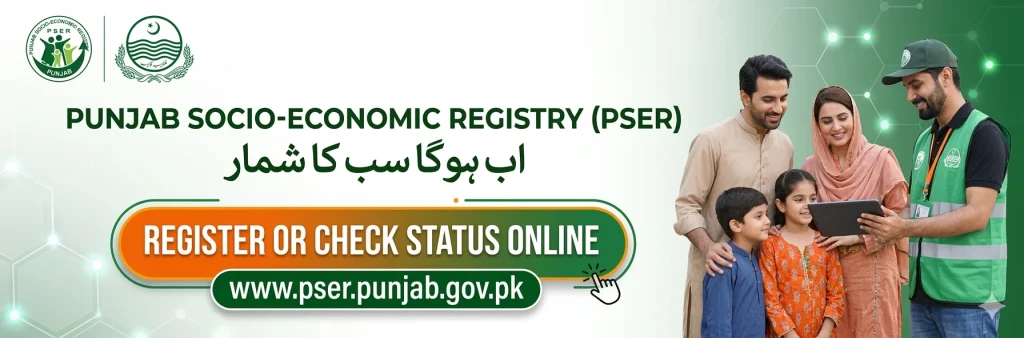
The process of gathering this information is very detailed. It isn’t just about filling out a form online. It involves a “door-to-door” approach to ensure that the data is as real as possible.

1. Trained Survey Teams
The government sends out teams of trained professionals to visit homes. These teams are equipped with tablets and secure digital tools. They aren’t just there to ask questions; they are there to record the reality of your living situation.
2. Information Collected
During the survey, the team looks at several “socio-economic indicators.” These include:
- Family Composition: How many people live in the house? How many are children, elderly, or disabled?
- Education Levels: What is the highest level of schooling completed by family members?
- Employment Status: Who is working, and what kind of jobs do they have?
- Housing Conditions: Do you own or rent? What is the structure of the house made of?
- Access to Utilities: Do you have electricity, clean gas, and safe drinking water?
3. Verification and Security
Once the data is entered into the tablet, it is synced with central servers. The PSER system is designed to be highly secure, protecting your private information from unauthorized access. The data is often cross-checked with other government databases, like NADRA, to ensure everything is correct.
The Role of PSPA and Leadership Vision
The Punjab Social Protection Authority (PSPA) is the brain behind this entire operation. Under the leadership of figures like Ali Shehzad (CEO of PSPA), the authority has moved toward a “results-driven” system.
The vision is simple: move away from scattered, unorganized welfare and move toward a unified system. By having one central registry (PSER), different departments—like Health, Education, and Agriculture—can all use the same verified data. This prevents a situation where one family gets help from three different places while another family gets nothing at all.
This “coordinated institutional effort” is what makes PSER different from previous attempts at data collection. It is built to last and to be updated as people’s lives change.
Benefits for the Deserving Citizens
The primary winners in the PSER system are the most vulnerable members of society. In the past, people often had to “know someone” or pay a middleman to get their names on a welfare list. PSER eliminates that need.
- Better Targeting: Financial aid programs like BISP or provincial “Ramzan Packages” can now identify the poorest 10% or 20% of the population with a click of a button.
- Reduced Duplication: The system ensures that the same person isn’t claiming multiple benefits under different names.
- Inclusion: People with disabilities or widows, who might not be able to travel to a government office, are counted right at their doorstep.
How to Check Your Status or Register
While door-to-door surveys are the main method, the government often provides ways for citizens to check if they are in the registry.
- Visit a PSER Center: Many districts have dedicated desks where you can ask about your status.
- Digital Portals: The PSER website often has a section where you can enter your CNIC to see if your household has been “enumerated” (counted).
- Help-lines: You can call the PSPA helpline if you feel your house was skipped during the survey.
If your data isn’t in the system, you might miss out on future government schemes, so it is vital to ensure your household is covered.
Punjab Socio-Economic Registry PSER: A Blueprint for the Future
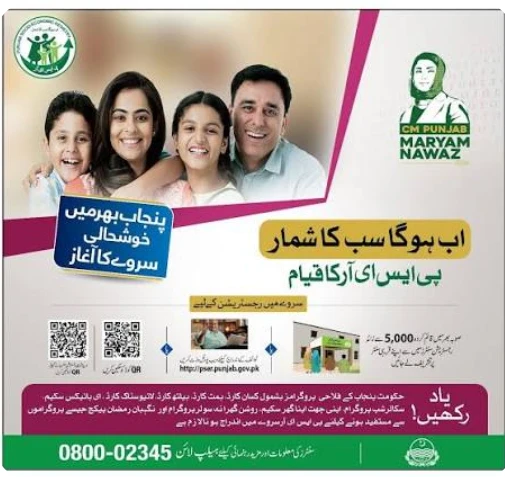
The “PSER Model” is more than just a list; it is a framework for growth. By understanding the socio-economic status of the province, the government can make better laws. For example, if the data shows a high number of unemployed youth in a specific district, the government can choose to build a technical college right there.
It is a shift from “guessing” what people need to “knowing” what they need. This data-driven approach is what modern countries use to develop, and now Punjab is following that same path.
Frequently Asked Questions (FAQs)
1. Is my personal information safe in the PSER?
Yes. The PSER uses high-level encryption and secure digital tools. Your data is only used for the purpose of planning and delivering government services. It is not shared with private companies.
2. Can I update my information if my income or family size changes?
Yes. The government periodically updates the registry. You can also visit designated PSPA centers or follow their official website for instructions on how to file an update or an appeal if your circumstances change significantly.
3. What happens if I am not at home when the survey team visits?
Survey teams usually try to visit a house multiple times. If you are still missed, you should contact your local Union Council office or the PSPA helpline to find out how you can get your household registered at a nearby center.
4. Is PSER only for people who want financial aid?
No. PSER is for everyone. Even if you don’t need financial help right now, having your data in the registry helps the government plan for better roads, schools, and hospitals in your specific area.
5. Does registration in PSER guarantee that I will get money from the government?
Registration does not automatically mean you will get a monthly stipend. However, it means you will be considered for any program you are eligible for. Without being in PSER, your chances of receiving government support are much lower.
What’s Next for You?
The Punjab Socio-Economic Registry is a bridge between the people and the government. By participating in the “Ab Hoga Sab ka Shumar” initiative, you are helping build a better, more organized Punjab.
Keep your CNIC ready and ensure that when a survey team visits your street, you provide them with honest and accurate information. It is your right to be counted, and it is the government’s duty to serve you based on that count.