In a world where global tensions and rising oil prices are becoming the new normal, Pakistan has decided to take a drastic step inward. On Saturday, March 14, 2026, Prime Minister Muhammad Shehbaz Sharif approved a series of “belt-tightening” measures that will touch almost every corner of the government sector.
This isn’t just about saving a few rupees here and there. This is a massive structural shift designed to shield the general public from the shockwaves of an international energy crisis. From high-ranking ministers giving up their paychecks to a significant reduction in official vehicle use, the government is trying to lead by example.
In this guide, we will look at how these changes affect government employees, the transport sector, and what it means for the “common man” in 2026.
The Payday Reality: Tiered Salary Deductions
The most talked-about part of this new policy is the direct impact on bank accounts. The government has introduced a tiered system for salary deductions, ensuring that those who earn more contribute a larger share to the national relief pool.

Impact on State-Owned Enterprises (SOEs)
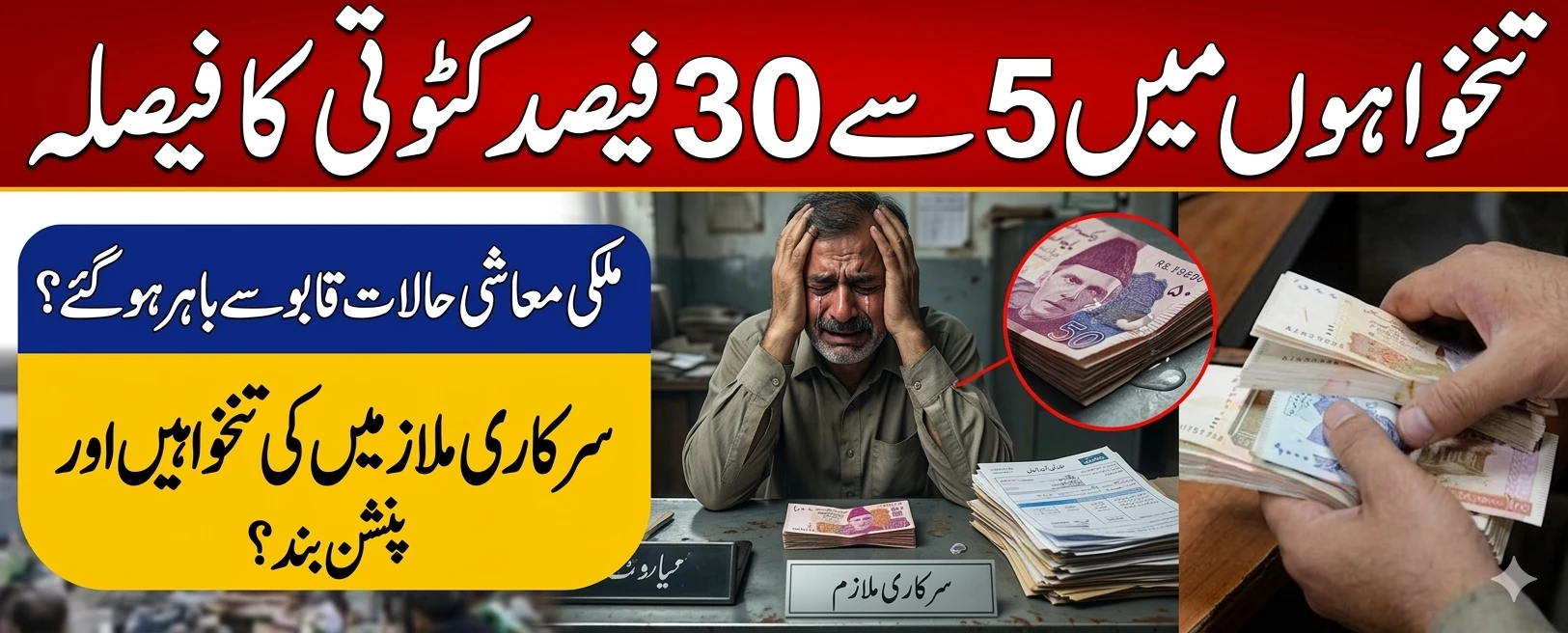
Employees of state-owned enterprises and autonomous bodies—think utility companies, national airlines, and state-run banks—will see their monthly pay reduced. The cuts are set between 5% and 30%.
The goal here is simple: use the saved billions to keep food and medicine prices stable for the public. The Prime Minister has made it clear that these funds are not for general government spending but are strictly for “public relief.”
Sacrifices at the Top
It’s not just the middle-tier employees feeling the pinch. The 2026 plan targets the highest offices in the land:

- Federal Cabinet: Ministers, advisers, and special assistants will not take any salary or allowances for at least the next two months.
- National Assembly Members: MNAs will see a 25% cut in their pay.
- Grade 20+ Officers: Senior bureaucrats earning over Rs. 300,000 will contribute two days’ worth of their monthly salary.
Cutting the Fuel Bill: The Transport Overhaul
With global petroleum prices crossing the $100 per barrel mark due to regional conflicts, Pakistan’s fuel import bill has become unsustainable. To combat this, the government is grounding its own fleet.
50% Less Fuel for Official Use
Every government department has been ordered to cut its fuel consumption in half. This means that for the next 60 days, official movement will be strictly limited. Only essential services, like ambulances and public transport buses, are exempt from this rule.
Grounding the Fleet
A staggering 60% of official vehicles are scheduled to be grounded. Before this happens, a third-party audit will verify which vehicles are truly unnecessary. Furthermore, there is a complete ban on the purchase of any new government cars or luxury office items like air conditioners until at least the end of the fiscal year.
A New Way of Working: The Four-Day Week
To save electricity and fuel, the government has moved to a four-day workweek for most offices. However, it is important to note that this does not apply to everyone.
The following departments will continue to work their full, normal schedules to ensure the country remains safe and the revenue keeps coming in:
- Law Enforcement Agencies (LEAs): Police and security forces.
- Federal Board of Revenue (FBR): The tax collectors.
- Emergency Services: Hospitals and disaster management teams.
For everyone else, the extra day off is intended to reduce the “load” on the national power grid and lower the number of cars on the road.
Diplomacy with Simplicity
Even Pakistan’s image abroad is being adjusted to match the current economic climate. The Prime Minister has directed all Pakistani embassies worldwide to celebrate Pakistan Day (March 23) with total simplicity.
Large, expensive parties and dinners have been replaced with small, dignified ceremonies. This message of “simplicity and austerity” is being sent to every corner of the globe where the green and white flag flies.
Digital First, Travel Last
Foreign visits for ministers and senior officers are now completely banned. Instead of flying to London, Washington, or Beijing for meetings, officials are required to use secure teleconferencing and online platforms. This move alone is expected to save millions in travel, hotel, and security costs.
[Image suggestion: A simple infographic showing the 5% to 30% salary cut tiers]
Why Now? The Global Context of 2026
You might ask why these measures are so aggressive. The answer lies in the current regional situation. With tensions high in the Middle East and surrounding areas, the supply of oil has been disrupted.
Pakistan, as an importer of Gulf oil, cannot afford to subsidize fuel for its own officials while the public struggles. By cutting its internal costs, the government hopes to create a “cushion” that prevents a massive hike in the price of petrol and diesel for the ordinary citizen.
Monitoring and Accountability
Unlike past plans that were often announced but rarely followed, the 2026 plan has a strict reporting mechanism.
- Daily Reports: Relevant secretaries must monitor the implementation of these rules in their departments.
- Personal Responsibility: Secretaries are personally responsible for any violations.
- Review Committee: A high-level committee meets daily to check the savings data and ensure the money is going exactly where it was promised: public welfare.
Frequently Asked Questions (FAQs)
1. Does the 5% to 30% salary cut apply to the private sector?
No. These measures only apply to government employees, specifically those working in state-owned enterprises (SOEs), autonomous bodies, and the federal government. Private sector companies are free to set their own policies.
2. Is the four-day workweek permanent?
Currently, the four-day workweek is a temporary measure designed to save energy during the petroleum crisis. The government will review this policy after two months based on the economic situation.
3. How will the saved money be used?
Prime Minister Shehbaz Sharif has stated that every rupee saved from these cuts will be utilized for “public relief.” This usually means subsidizing essential food items (like flour and sugar) or providing direct cash support through programs like BISP.
4. Can I still visit a government office on a Friday?
Under the new four-day workweek, most non-essential government offices will be closed on Fridays. It is best to check with the specific department or visit during the Monday-to-Thursday window.
5. Are schools and hospitals affected by the fuel cuts?
Hospitals and emergency vehicles (ambulances) are exempt from the fuel reductions to ensure lives are not put at risk. Educational institutions generally follow their own specific provincial guidelines, but most are encouraged to conserve energy where possible.
Final Thoughts
The 2026 austerity plan is a tough pill to swallow for the thousands of people working for the state. However, it represents a necessary shift toward fiscal responsibility. By asking the most powerful people in the country to give up their salaries and their luxury cars, the government is attempting to build trust with a public that is also feeling the pinch.