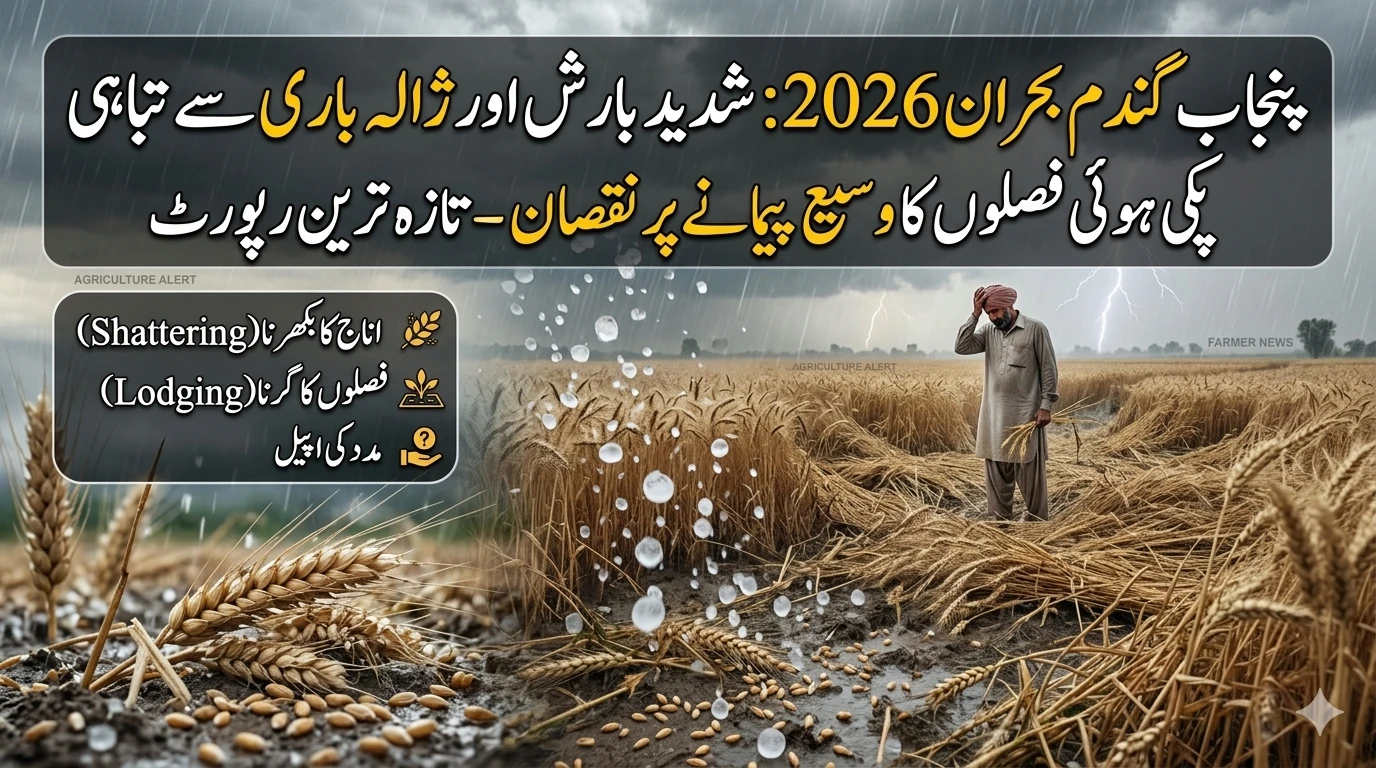
Walking through the fields of Punjab in mid-April usually feels like walking through a sea of gold. This year, however, that golden landscape has been interrupted by scenes of distress. For many farmers, the 2026 harvest season has turned into a race against the elements. Instead of high-yield celebrations, the talk in the “dera” (meeting places) is about “shattering” and “lodging.”
The wheat crop is the backbone of Pakistan’s food security. When Punjab—the country’s breadbasket—faces a weather anomaly, the entire nation feels the ripple effects. From the southern plains of Multan to the central hubs like Faisalabad, the story is the same: the clouds that were supposed to bring life have brought a crisis.
The Sudden Weather Shift in April 2026
The first half of April 2026 saw a series of unexpected weather systems sweep across the province. Just as the wheat was entering its final “drying” phase—the most sensitive time before harvesting—heavy rains and high-velocity winds struck. In many areas, this was accompanied by intense hailstorms.
Weather experts point to a strong “Western Disturbance” that lasted longer than usual. While light rain in February is a blessing, heavy downpours in April are a nightmare. The moisture at this stage doesn’t help the grain grow; instead, it weakens the stems and can even cause the grains to sprout while still on the stalk.

Why Hail is the Farmer’s Worst Enemy
When hail hits a mature wheat field, the impact is physical and immediate. The heavy ice pellets act like thousands of tiny hammers hitting the brittle wheat ears. This leads to two major problems:
- Lodging: This is when the wind and rain flatten the standing crop. Once the wheat is on the ground, it is nearly impossible for a “combine harvester” machine to pick it up efficiently.
- Shattering: This is the process where the grains are physically knocked out of the ear and fall onto the soil. Once the grain hits the dirt, it is lost for good.
The Mechanics of Destruction: What is Grain Shattering?
If you look closely at a damaged field right now, you will see thousands of tiny white and brown grains scattered across the dark soil. This is grain shattering. It happens because the wheat spike becomes very dry and brittle as it reaches maturity. When a hailstorm or heavy wind hits, the protective “glumes” that hold the grain in place break open.
The loss from shattering is particularly painful because it happens right at the finish line. A farmer who has spent six months and thousands of rupees on fertilizer and diesel sees their profit literally falling into the mud in a matter of minutes. In districts like Muzaffargarh and Layyah, initial reports suggest that shattering has reduced potential yields by as much as 15% to 25% in specific patches.

Regional Impact: A Map of the 2026 Crisis
The damage hasn’t been uniform across Punjab, but no region has been completely spared. Here is a look at the most affected areas as of late April 2026:
- South Punjab (Multan, Layyah, Kot Adu): This region was hit earliest. The hailstorms here were severe, not only damaging the wheat but also smashing solar panels and mango orchards.
- Central Punjab (Faisalabad, Sargodha): Heavy rainfall caused widespread lodging. Farmers here are struggling with “slushy” fields that make it hard to bring in heavy machinery.
- North/Upper Punjab (Gujranwala, Sialkot): While the rain was slightly lighter here, the high humidity has raised concerns about “black point” disease and fungal growth on the damp grains.
| Region | Primary Damage | Estimated Yield Loss |
|---|---|---|
| South Punjab | Hail & Shattering | 20% – 25% |
| Central Punjab | Lodging & Sprouting | 10% – 15% |
| Upper Punjab | Moisture & Quality Loss | 5% – 10% |
The Economic Fallout: The Support Price Struggle
While the weather is the immediate problem, the economic pressure on farmers is the long-term crisis. To grow this year’s crop, farmers faced record-high costs for DAP fertilizer, urea, and tractor diesel. Many took out loans expecting a bumper crop to pay them back.

The Price Gap: Rs. 3500 vs. Rs. 4000
The government recently announced an indicative support price of Rs. 3,500 per 40kg. However, farmer organizations and the “Kisan Rabita Committee” are demanding at least Rs. 4,000. They argue that with the recent weather damage, the cost of harvesting has gone up while the total yield has gone down.
On April 16, 2026—International Farmers’ Day—protests broke out in over a hundred cities across Pakistan. From the Lahore Press Club to the streets of Multan, the message was clear: without a better price, the farming community will face a debt trap.
The Quality Factor: Why “Black Grains” Matter
It’s not just about the amount of wheat; it’s about the quality. When mature wheat stays wet for too long, a few things happen:
- Reduced Test Weight: The grain loses its density. A bag of “rain-hit” wheat might look full but will weigh less than a bag of dry, healthy grain.
- Discoloration: Grains can turn dark or black. Flour mills often reject this wheat because it produces dark-colored “Ata” (flour), which consumers don’t like.
- Sprouting: If the moisture stays high, the grain starts to grow a tiny root while still on the stalk. This converts the starch into sugar, making the wheat useless for baking bread.
How Farmers Can Minimize Losses Right Now
If your field has been hit by the recent rains, here are some practical steps to save what remains:
- Wait for the Dry Spell: Do not rush to harvest if the grain moisture is above 12%. Harvesting wet wheat leads to immediate rot and fungal issues in storage.
- Manual Harvesting for Lodged Crops: If your wheat is flat on the ground (lodged), consider manual labor instead of a combine harvester. While it is more expensive, a human with a sickle can save more grain than a machine that might skip over the fallen stalks.
- Proper Drainage: Ensure that any standing water in the fields is drained immediately. Standing water rots the roots and the fallen grain.
- Elevated Storage: If you are storing the wheat yourself, keep the bags on wooden pallets or raised platforms to avoid moisture seeping in from the ground.
National Food Security: The Big Picture
Despite the damage, the government remains optimistic about meeting the national production target of over 30 million tons. However, the real test will be the procurement process. If the government doesn’t step in to buy the wheat at a fair price, private “middlemen” might buy it at low rates, leaving the farmers with nothing.
The 2026 wheat crisis is a stark reminder of how vulnerable our food system is to climate change. As we move toward the end of the harvesting season in May, the focus will shift from the fields to the markets.
Frequently Asked Questions (FAQs)
1. How does rain affect the price of wheat in 2026?
Rain reduces the quality of the grain. If a large portion of the harvest is damaged, the price of “high-quality” dry wheat may go up in the open market, while “damaged” wheat may be sold at a loss by farmers.
2. What is the last date for wheat procurement in Punjab?
Procurement usually starts in April and continues through May. However, the schedule can change based on the moisture levels in the grain and government policy updates.
3. Can I still use rain-damaged wheat for home consumption?
If the wheat hasn’t sprouted or developed mold (fungus), it is safe to eat. However, the color of the roti might be slightly darker, and it may not rise as well as flour made from high-quality grain.
4. What is “Bardana” and how can I get it?
Bardana refers to the gunny bags provided by the government for wheat storage. Farmers can usually apply for these through the “PITB Wheat App” or at local procurement centers, though the process is subject to regional quotas.