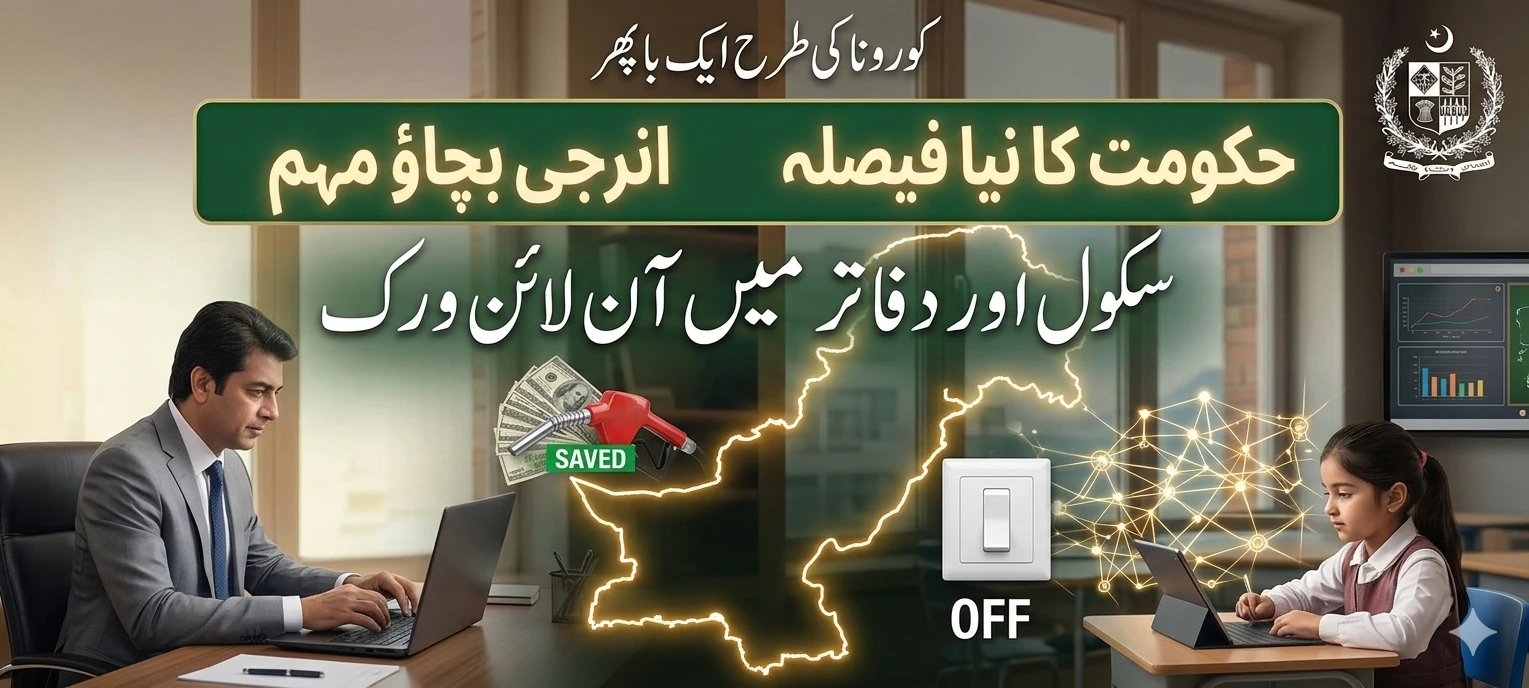
The world is changing fast, and Pakistan is making some big moves to keep up. With wars happening in other parts of the world and the price of petrol going up, the federal government has come up with a plan to help the country save money and energy.
Instead of everyone rushing to offices and schools every day, the government is looking at “Work from Home” and “Online Classes” again. It’s like what we did a few years ago, but this time it’s all about saving our national resources and making sure we don’t run out of fuel.
Why Is Pakistan Changing the Way We Work?
You might be wondering why we need to stay home if there isn’t a health emergency. The answer is simple: Energy Security. Most of the oil and gas we use in our cars and power plants comes from other countries. When there is a war or trouble in the Middle East, the prices go way up.
By asking people to work from their computers at home, the government can save millions of liters of petrol every single day. This keeps more money in the national pocket and helps stop the prices of daily items from rising too fast.

The Main Goals of This New Plan:
- Cutting Petrol Use: Fewer cars on the road means less imported oil is needed.
- Lowering Electricity Bills: Large office buildings use a lot of AC and lights. Keeping them closed saves a huge amount of power.
- Helping the Common Man: When the government saves on fuel, it helps stabilize the economy for everyone.
- Being Prepared: If things get worse globally, Pakistan will already be in a safe position.
What Does This Mean for Students and Workers?
This change isn’t just for government officials; it’s a shift for the whole society. The government is working with schools and private companies to make this transition as smooth as possible.
For Students: Back to Digital Classrooms
Schools and colleges are being asked to prepare for online sessions. This doesn’t mean education stops. It just means the “classroom” is now in your living room. This helps parents save on van fees and protects children from the heavy smog and traffic during busy hours.
For Workers: The Home Office
If your job can be done on a laptop or a phone, the government wants you to stay home. This “Remote Work” model is great for saving time. Think about the hours spent sitting in traffic at Roshan Chowk or other busy areas—now that time can be used for work or family.

How This Helps the National Economy
Every time you don’t take your bike or car out for a long drive, you are helping Pakistan. It sounds small, but when millions of people do it, the impact is massive.
The federal cabinet, including leaders like the Finance Minister, is keeping a close eye on the “Fuel Bill.” By reducing how much we drive, we reduce the demand for dollars. This helps keep the Pakistani Rupee stronger against other currencies.
Small Changes with Big Results:
- Reduced Traffic Jams: Less congestion on the roads makes it easier for essential trucks (carrying food and medicine) to move.
- Cleaner Air: Fewer cars mean less smoke, which is great for our health and the environment.
- Better Focus: Many people find they can get more work done at home without the noise of a busy office.
Technology: Our Secret Weapon
Pakistan is much better at using technology now than it was five years ago. Almost everyone has a smartphone, and internet coverage is reaching more villages and towns every day.
The government is encouraging people to use apps for meetings and digital tools for school assignments. This “Digital Pakistan” vision is now becoming a reality because it’s the best way to fight the global energy crisis.
Tips for Managing Work and School from Home
Moving to an online lifestyle can be a bit tricky at first. Here are some simple ways to make it work for you:
- Set a Schedule: Wake up at the same time every day as if you were going out.
- Create a Workspace: Find a quiet corner in your house where you can focus without being disturbed.
- Check Your Internet: Make sure your data plan or Wi-Fi is ready before your meeting or class starts.
- Take Breaks: Don’t sit at the computer for five hours straight. Stand up and stretch every hour.
Frequently Asked Questions (FAQs)
1. Will all schools be closed permanently?
No. This is a temporary measure to save energy. Some schools might have a “Hybrid” model where you go to school two days a week and stay home for three.
2. Is the government also closing markets early?
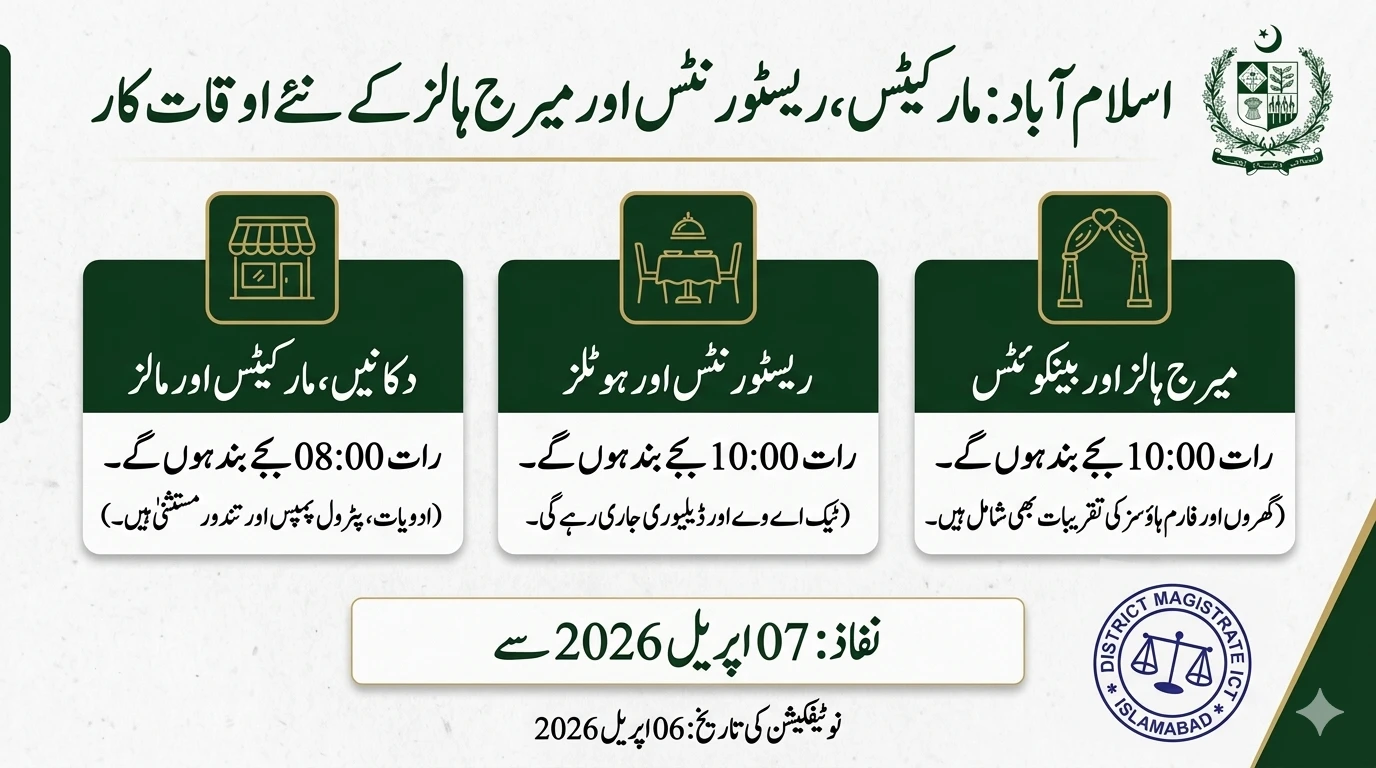
There are discussions about closing shops and markets by 8:30 PM. This helps save electricity during the peak night hours when the grid is under the most pressure.
3. Will petrol prices go down because of this?
The goal is to stop prices from jumping up too high. By using less petrol as a country, we can manage our supplies better, which helps keep prices more stable.
4. How can I do my job if I don’t have a computer?
The “Work from Home” policy is mostly for people in offices who use computers. People in factories, shops, and hospitals will still go to their workplaces because their jobs require them to be there in person.
5. Does this affect internet speeds?
The government is working with internet providers to make sure the network can handle more people being online during the day.
The Path Forward
Pakistan is a resilient nation. We have faced challenges before, and we always find a way through. By embracing online work and school, we are not just hiding from a crisis—we are using modern tools to build a smarter, more efficient country.
Saving energy today means a better, more stable tomorrow for our children. It’s a small sacrifice for a much bigger reward: a stronger Pakistan that doesn’t have to worry every time global oil prices change.